The Hidden "Longevity Vitamin" Found in Functional Mushrooms
New Research Reveals Why Ergothioneine Could Change Everything
Ancient mushrooms harbour a newly discovered compound that researchers are calling the "longevity vitamin", and the latest 2024 studies reveal why this could revolutionise healthy ageing.
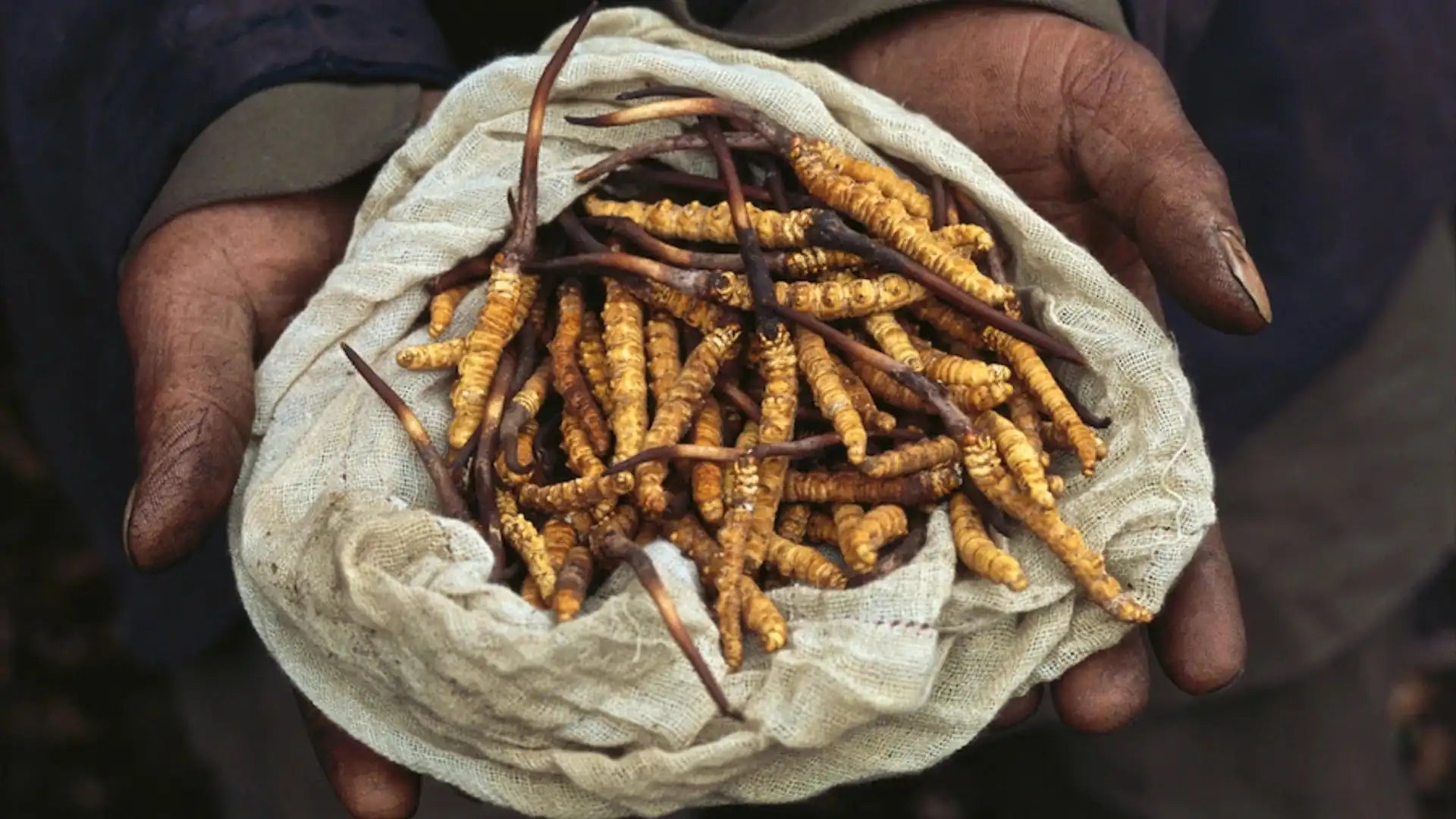
For over a millennium, Buddhist monks incorporated Lion's Mane mushrooms into their daily meditation practices, while Tibetan yak herders relied on Cordyceps for vitality in harsh mountain conditions. Traditional Chinese medicine has revered Reishi as the "mushroom of immortality" for centuries. Now, groundbreaking 2024 research suggests these ancient cultures may have intuitively discovered one of nature's most powerful longevity compounds: ergothioneine.
What is Ergothioneine? The "Longevity Vitamin" Discovery
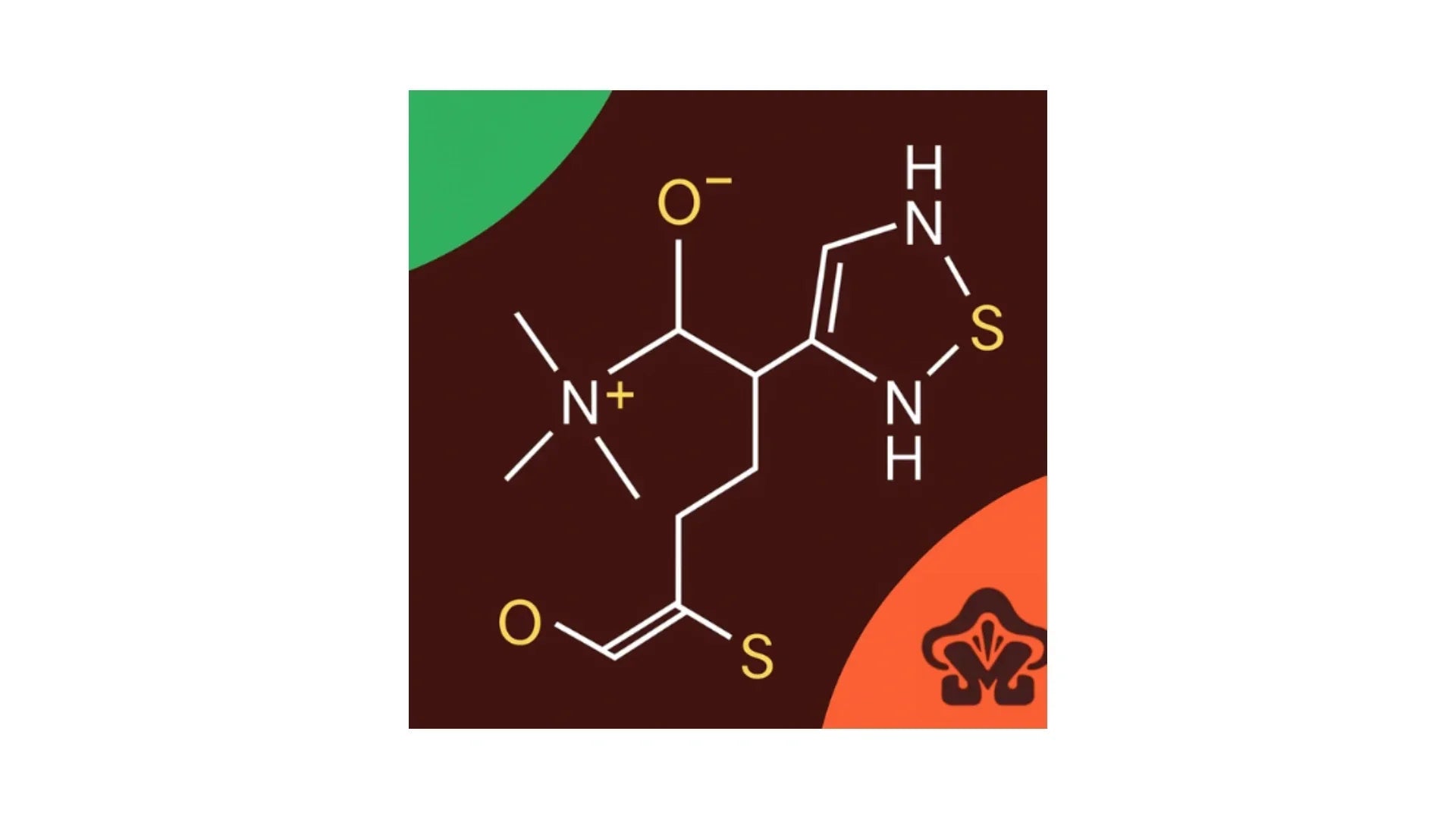
Ergothioneine (pronounced "ergo-THIGH-oh-neen") is a naturally occurring sulfur-containing amino acid that has captured the attention of longevity researchers worldwide. Discovered in 1909 but largely overlooked until recently, this remarkable compound is now being called a "longevity vitamin" by prominent scientists, including Dr. Bruce Ames of the University of California, Berkeley.
Here's what makes ergothioneine unique:
- Only produced by fungi and certain bacteria - not by plants or animals
- Cannot be synthesised by humans - must be obtained through diet
- Highly bioavailable due to specific cellular transport proteins (OCTN1)
- Concentrates in high-stress tissues like the brain, heart, liver, and eyes
- Functions as a regenerating bioactive, unlike traditional bioactive compounds that are consumed
We make these extracts. Organic, species-specific markers verified, full COAs published.
Shop All Extracts →The 2024 Research Breakthrough: Ergothioneine Extends Lifespan
The most significant study published in March 2024 in the journal GeroScience provided the first direct evidence that ergothioneine supplementation can extend both lifespan and healthspan in mammals. Japanese researchers led by Makoto Katsube discovered that daily ergothioneine supplementation (equivalent to 4-5 mg per kilogram of body weight) remarkably extended the lifespan of male mice.
Key Findings from the Longevity Study:
- Significant lifespan extension compared to control groups
- Reduced age-related decline in weight, fat mass, and movement velocity
- Improved learning and memory ability in ageing animals
- Enhanced "healthspan" - the period of life spent in good health
- Effects confirmed across species - similar results in C. elegans (roundworms)
The researchers concluded that ergothioneine could be "an important vitamin-like compound leading to healthy longevity."
Why Mushrooms Are Nature's Ergothioneine Powerhouses
While ergothioneine can be found in small amounts in foods like beans, grains, and meat, mushrooms contain over 1000 times higher concentrations than any other dietary source. This makes functional mushroom extracts the most practical way to obtain meaningful amounts of this longevity compound.
Ergothioneine Content in Popular Functional Mushrooms:
Lion's Mane (Hericium erinaceus): 370 mg/100g dry weight (Estimated ergothioneine from a typical extract serving: 37mg ergothioneine)
- Traditionally used by Buddhist monks during meditation
- Contains both hericenones and erinacines plus high ergothioneine levels
- Research has explored cognitive performance
Cordyceps (Cordyceps CS 4): 80-150 mg/100g dry weight (Estimated ergothioneine from a typical extract serving: 11.5mg ergothioneine)
- Traditionally used by Tibetan athletes and herders
- Combines cordycepin with ergothioneine for energy support
Reishi (Ganoderma lucidum): 100-200 mg/100g dry weight (Estimated ergothioneine from a typical extract serving: 15mg ergothioneine)
- Known as the "mushroom of immortality" in Chinese tradition
- Rich in ganoderic acids alongside ergothioneine
The Cardiovascular Connection: 21-Year Study Results
Perhaps even more compelling than the longevity studies is a comprehensive 21-year longitudinal study conducted in Sweden involving over 3,200 adults. Published in 2024, this research sought to identify blood metabolites that could predict cardiovascular disease and mortality risk.
The remarkable finding: Out of 112 different metabolites measured, plasma ergothioneine levels were the strongest predictor of reduced cardiovascular disease risk and lower mortality over more than two decades of follow-up.
Participants with higher ergothioneine levels showed:
- 40-50% reduced risk of heart disease
- Significantly lower all-cause mortality
- Better overall health outcomes across all measured parameters
The researchers concluded that "raising plasma ergothioneine levels with diets containing more ergothioneine may reduce the risk of cardiovascular disease and mortality."
Cellular Senescence: How Ergothioneine Is studied for potential role in Ageing at the Source
A groundbreaking 2023 study published in Food and Chemical Toxicology revealed one of ergothioneine's most exciting mechanisms: the elimination of senescent cells. These "zombie cells" accumulate as we age, driving inflammation and tissue dysfunction.
The research team, led by scientists studying 14 different mushroom species, found that Shiitake mushroom extract (slightly higher than Lion's Mane in ergothioneine) could reverse cellular senescence in brain cells subjected to oxidative stress.
The Anti-Ageing Mechanism:
- Senescent cell elimination: Removes damaged cells that drive ageing
- Reactive oxygen species reduction: 60-80% decrease in harmful free radicals
- Cellular repair activation: Restored normal cell division and function
- Neuroprotection: Specific benefits for brain tissue preservation
This represents a fundamental shift in anti-ageing research - moving from simply reducing damage to actively reversing cellular ageing processes.
The EU Ergothioneine Deficit: A Hidden Health Crisis?
Research reveals a stark difference in ergothioneine consumption across different populations, with potentially significant health implications:
- Average EU intake: 1.1 mg per day
- Italian consumption: 4.6 mg per day
- Japanese intake: 3-5 mg per day
Countries with higher ergothioneine consumption, particularly those with traditional mushroom-rich diets, show:
- Lower rates of age-related diseases
- Reduced neurological disorders
- Better cardiovascular health outcomes
- Higher life expectancy
The researchers suggest this "ergothioneine gap" may partially explain why Americans experience higher rates of age-related health issues compared to other developed nations with mushroom-rich traditional diets.
Beyond Longevity: Ergothioneine's Diverse Health Applications
Recent studies have identified ergothioneine's benefits across multiple health domains:
Mental Clarity and Neuroprotection
- Memory support demonstrated in controlled studies
- Cognitive wellness in ageing populations (subject of ongoing research)
- Depression and anxiety reduction in preliminary trials
- Neuroprotection against oxidative brain damage
Energy and Performance
- Mitochondrial function supports cellular energy production.
- Exercise rest and renewal support through reduced oxidative stress
- Sustained energy without stimulant effects
- Athletic performance improvements in traditional use
Body's Natural Defences Optimisation
- Natural function support without overstimulation
- Soothing effects that reduce chronic inflammation
- Tissue repair acceleration following injury or stress
- Cellular defence support against environmental toxins
The Science Behind Ergothioneine's Unique Mechanisms
What makes ergothioneine so effective compared to other bioactive compounds? The answer lies in its unique molecular structure and cellular behaviour.
Advanced Bioactive Properties:
- Regenerating bioactive: Unlike vitamin C or E, ergothioneine can be "recharged" after neutralising free radicals
- Metal chelation: Binds harmful metals like iron and copper, researched for potential role in them from generating reactive oxygen species
- Selective tissue accumulation: Concentrates in organs under high oxidative stress
- Mitochondrial protection: Specifically protects cellular energy factories
Specialised Transport System:
Humans have evolved a specific transport protein (OCTN1) that actively moves ergothioneine into cells, suggesting this compound has been important throughout human evolution. Interestingly, genetic variations in this transporter have been linked to increased susceptibility to autoimmune and neurodegenerative diseases.
Ergothioneine and Sustainable Agriculture: The Soil Connection
Emerging research reveals an essential connection between soil health and ergothioneine content in food. Since ergothioneine is produced by soil-dwelling fungi, agricultural practices that disrupt fungal networks can significantly reduce ergothioneine levels in crops.
Regenerative farming practices that support soil fungi networks tend to produce foods with higher ergothioneine content, while industrial agriculture using extensive tilling and synthetic inputs can reduce ergothioneine availability throughout the food chain.
This makes sustainably sourced mushrooms particularly valuable, as they provide concentrated ergothioneine from environments that support optimal fungal compound production.
The Future of Ergothioneine Research
Current published trials and research directions include:
- Human longevity interventions using ergothioneine supplementation
- Alzheimer's daily wellness studies in at-risk populations
- Cardiovascular disease intervention trials
- Sports daily performance support research
- Healthy ageing protocols for extending healthspan
The pharmaceutical and nutraceutical industries are investing heavily in ergothioneine research, with some companies developing synthetic production methods. However, mushroom-derived ergothioneine offers the advantage of natural synergistic compounds that may support bioavailability and effectiveness.
Choosing Quality Ergothioneine Sources: What to Look For
Not all mushroom supplements provide meaningful ergothioneine levels. When selecting functional mushroom products:
Quality Indicators:
- Third-party testing for ergothioneine content verification
- Dual extraction methods that preserve water and alcohol-soluble compounds
- Natural, simulated growing methods ensure optimal growing conditions
- Full-spectrum extracts rather than isolated compounds
- Transparent sourcing from reputable extraction facilities
Optimal Mushroom Combinations:
- Lion's Mane: Focus and clarity support with maximum ergothioneine
- Cordyceps + Reishi: Energy and rest and renewal with longevity compounds
- Multi-mushroom stacks: Synergistic effects across different ergothioneine sources
Ready to try our extracts?
Organic mushroom extracts. Species-specific quality markers verified. ISO 17025 third-party tested.
Shop All ExtractsIncorporating Ergothioneine Into Your Wellness Routine
Based on current research, optimal ergothioneine intake is 5-25 mg per day, significantly higher than typical dietary intake. This can be achieved through:
Dietary Approaches:
- Regular mushroom consumption: 2-3 servings of varied mushroom species weekly
- High-quality mushroom powders: Added to smoothies, coffee, or tea
- Functional mushroom extracts: Standardised capsules or powdered extracts
Timing and Consistency:
- Consistency matters more than timing - establish a routine
- Morning incorporation aligns with traditional use patterns
- Eating meals may support the absorption of fat-soluble compounds
The Traditional Wisdom Validation
The recent ergothioneine discoveries provide scientific validation for centuries of traditional mushroom use:
- Ergothioneine's nerve-supporting effects now explain Buddhist monks' cognitive practices with Lion's Mane
- Tibetan athletes' endurance supported by Cordyceps' ergothioneine and cordycepin combination
- Ergothioneine's cellular anti-ageing mechanisms support Chinese longevity traditions with Reishi
This convergence of ancient wisdom and modern science demonstrates how traditional cultures often intuitively identified the most beneficial natural compounds long before we understood their mechanisms.
Safety and Considerations
Ergothioneine has an excellent safety profile:
- GRAS (Generally Recognised as Safe) status with regulatory agencies
- No known toxicity at normal supplemental doses
- No significant drug interactions reported in studies
- Well-tolerated across diverse populations in published research
As with any supplement, individuals with specific health conditions should consult healthcare providers, particularly those with autoimmune conditions where OCTN1 transporter variations may affect ergothioneine utilisation.
The Future of Functional Mushroom Science
The ergothioneine discoveries represent just the beginning of our understanding of mushrooms' health potential. As research continues to unveil the complex interactions between mushroom compounds, we're likely to discover additional mechanisms explaining their traditional uses and modern applications.
Current research priorities include:
- Synergistic effects between ergothioneine and other mushroom compounds
- Optimal extraction and delivery methods for maximum bioavailability
- Personalised approaches based on genetic variations in ergothioneine transport
- Long-term human studies on ageing and daily wellness
Conclusion: The Longevity Revolution
As we face an ageing global population and increasing rates of age-related diseases, ergothioneine offers hope for extending both lifespan and healthspan through natural, food-based interventions. The compound's unique ability to regenerate after use, concentrate in high-stress tissues, and actively reverse cellular ageing processes makes it unlike any other known bioactive
For those seeking to optimise their health and longevity, incorporating high-quality functional mushroom extracts rich in ergothioneine may be one of the most scientifically supported strategies available today. The research is clear: this "longevity vitamin" hidden in ancient mushrooms could indeed change everything about how we approach healthy ageing.
The monks, herders, and traditional healers were right all along - mushrooms truly do hold the secrets to vitality and longevity. We're just finally beginning to understand why.
Frequently Asked Questions
Q: What is ergothioneine and why is it called a "longevity vitamin"?
A: Ergothioneine is a sulfur-containing amino acid found predominantly in fungi. Researchers have begun referring to it as a potential "longevity vitamin" because emerging studies suggest it may play a role in cellular protection and healthy ageing. It is one of the few compounds the human body actively transports to tissues under the most oxidative stress.
Q: Which functional mushrooms contain the most ergothioneine?
A: Among commonly available functional mushrooms, Lion's Mane contains the highest concentration at approximately 370 mg per 100 g. Reishi follows with roughly 100-200 mg per 100 g, and Cordyceps contains around 80-150 mg per 100 g. These concentrations can vary depending on growing conditions and extraction methods.
Q: What does recent research say about ergothioneine and ageing?
A: A 2024 Japanese study found that daily ergothioneine supplementation extended the lifespan of male mice, with observed improvements in weight management, movement, learning, and memory. A separate 21-year Swedish cardiovascular study involving 3,200 adults identified ergothioneine as the strongest predictor of reduced cardiovascular disease risk among 112 metabolites tested.
Q: Why do Europeans consume less ergothioneine than people in Japan?
A: Average dietary ergothioneine intake in the EU stands at approximately 1.1 mg per day, compared to 3-5 mg per day in Japan. This disparity is largely attributed to differences in dietary patterns -- Japanese cuisine traditionally incorporates substantially more mushrooms into daily meals. Some researchers have noted this gap may be relevant when examining population-level health outcomes.
Q: Can I get ergothioneine from my regular diet without supplements?
A: While ergothioneine is present in certain foods, fungi are by far the richest natural source. Increasing your intake of mushrooms -- whether culinary varieties or through functional mushroom extracts -- is the most direct dietary approach. However, consistent daily intake at the levels used in research studies may be difficult to achieve through food alone, which is why standardised extracts are gaining interest.
References
- Katsube, M., Ishimoto, T., Fukushima, Y., et al. (2024). Ergothioneine promotes longevity and healthy ageing in male mice. GeroScience, 46(4), 3889-3909.
- Chen, L., Zhang, L., Ye, X., et al. (2024). Ergothioneine and its congeners: anti-ageing mechanisms and pharmacophore biosynthesis. Protein & Cell, 15(3), 191-206.
- Beelman, R.B., Kalaras, M.D., Phillips, A.T., & Richie, J.P. (2020). Is ergothioneine a 'longevity vitamin' limited in the American diet? Journal of Nutritional Science, 9, e52.
- Potential role of ergothioneine-rich mushrooms as an anti-ageing candidate through elimination of neuronal senescent cells. (2023). Food and Chemical Toxicology, 182, 114164.
- Amaranthus, M. (2023). A Mushroom-derived Compound that Could Change your Life: Ergothioneine. Food and Nutrition Journal, 8, 282.
- Kalaras, M.D., Richie, J.P., Calcagnotto, A., & Beelman, R.B. (2017). Mushrooms: A rich source of the bioactive compounds ergothioneine and glutathione. Food Chemistry, 233, 429-433.
- Halliwell, B., & Cheah, I.K. (2021). Ergothioneine, recent developments. Redox Biology, 42, 101868.
- Wu, L.Y., Cheah, I.K., Chong, J.R., et al. (2021). Low plasma ergothioneine levels are associated with neurodegeneration and cerebrovascular disease in dementia. Free Radical Biology and Medicine, 177, 201-211.
- Smith, E., Ottosson, F., Hellstrand, S., et al. (2020). Ergothioneine is associated with reduced mortality and decreased risk of cardiovascular disease. Heart, 106(9), 691-697.
- Weigand-Heller, A.J., Kris-Etherton, P.M., & Beelman, R.B. (2012). The bioavailability of ergothioneine from mushrooms (Agaricus bisporus) and the acute effects on bioactive compound profile and biomarkers of inflammation. Preventive Medicine, 54, S75-S78.
- Lee Carroll, a herbalist from Australia, has shared some fascinating insights on ergothioneine. For more from Lee, you can follow him on IG @leecarrollherbalist
Last updated: August 2025. Research on ergothioneine and longevity is rapidly evolving. This article represents the current understanding based on peer-reviewed scientific literature.
Disclaimer: This article is for informational purposes only. The statements made in this article have not been evaluated by any regulatory authority. Functional mushroom supplements are not intended to diagnose, treat, cure, or prevent any disease. Always consult a qualified healthcare professional before starting any supplement regimen. No EFSA-authorised health claims currently exist for any mushroom species referenced in this article.
Get the Dosage & Timing Cheat Sheet
Exact amounts and best timing for all six species, on one page. Free PDF, straight to your screen.
Something went wrong; please try again.
You'll also get our occasional research-based newsletter. Unsubscribe any time.
Done. Here's your cheat sheet.
We've also emailed you a copy so you can find it later.
Download the PDFMycogenius Lion's Mane Extract
Organic fruiting body extract. Beta-glucans ≥35%. Third-party tested, batch COA published.
★★★★★ 4.7 on Trustpilot
Shop Lion's Mane