
The Mycogenius Standard
The Mycogenius Lion’s Mane Quality Standard
An independent guide to understanding Lion’s Mane extract quality in Europe — covering EU regulation, extraction science, compound testing, and what to actually look for before buying.
Why Lion’s Mane Quality Is Confusing in Europe
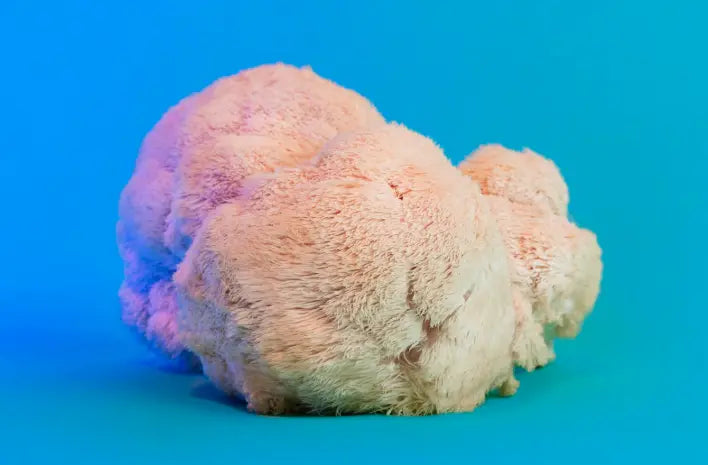
Lion’s Mane is one of the most misunderstood functional mushrooms in the European market. Not because the science is unclear, but because regulation, marketing, and extraction methods are often conflated.
In the European Union, Lion’s Mane mycelium is classified as a novel food. This regulatory position has shaped the entire category. As a result, most EU products rely exclusively on fruiting body extracts.
Consumers are frequently told: “You only want fruiting bodies.” That statement is incomplete.
The Scientific Distinction
Lion’s Mane contains multiple classes of bioactive compounds, depending on which part of the organism is used.
Fruiting bodies contain: hericenones, beta-glucans, and polyphenols.
Liquid-grown mycelium contains: erinacines.
Erinacines are primarily produced in the mycelial phase. In mature fruiting bodies, erinacine content is negligible. However, very young fruiting bodies and primordia can contain measurable erinacines, and specialised dual extraction (ethanol followed by hot water) can capture them when present. A standard 1:1 hot water extract of mature fruiting body will not contain meaningful erinacines. A dual extract specifically targeting the early growth stage can.
These are biologically distinct materials. Both have value. Both function differently. The extraction method and the maturity of the source material determine which compounds end up in the final product.
In less restricted markets, some companies produce a “dual extract” by combining a water extract of the fruiting body with an alcohol extract of liquid-grown mycelium. Under EU regulation, this formulation approach is not widely permissible. Understanding this regulatory difference is essential before judging product quality.

What Actually Determines Lion’s Mane Quality
Quality is not determined by the largest ratio printed on the label, the term “dual extract”, or the highest beta-glucan percentage alone.
Quality is determined by raw material integrity, extraction methodology, verified marker testing, and transparent laboratory validation.
At a minimum, a high-quality Lion’s Mane extract should clearly disclose: whether it uses fruiting body or mycelium, how it was grown, the extraction method used, the analytical markers being tested, and the laboratory conducting the testing.
If this information is not available, quality cannot be properly evaluated. Transparency is foundational.
Fruiting Body vs Mycelium on Grain
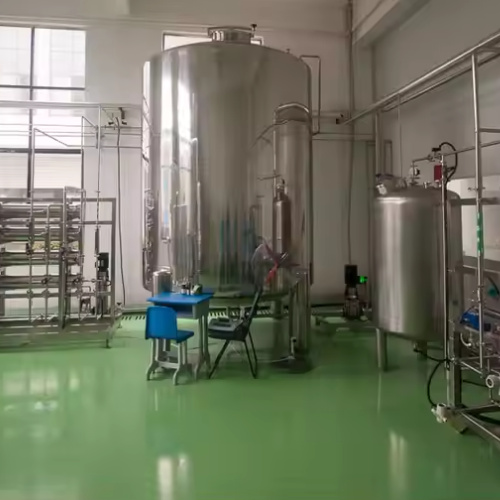
Fruiting body extracts are most aligned with EU regulatory frameworks. A properly produced fruiting body extract preserves structural beta-glucans, retains polyphenols, and maintains natural compound balance.
Importantly: a standard hot water extract of mature fruiting body should not claim meaningful erinacine content. If it does, the claim should be questioned. Erinacines require ethanol extraction and are concentrated in very young fruiting bodies and primordia, not in the mature fruiting body that most extracts use. A product claiming erinacine content should specify the extraction method, the growth stage of the source material, and provide independent verification of the claimed concentration.
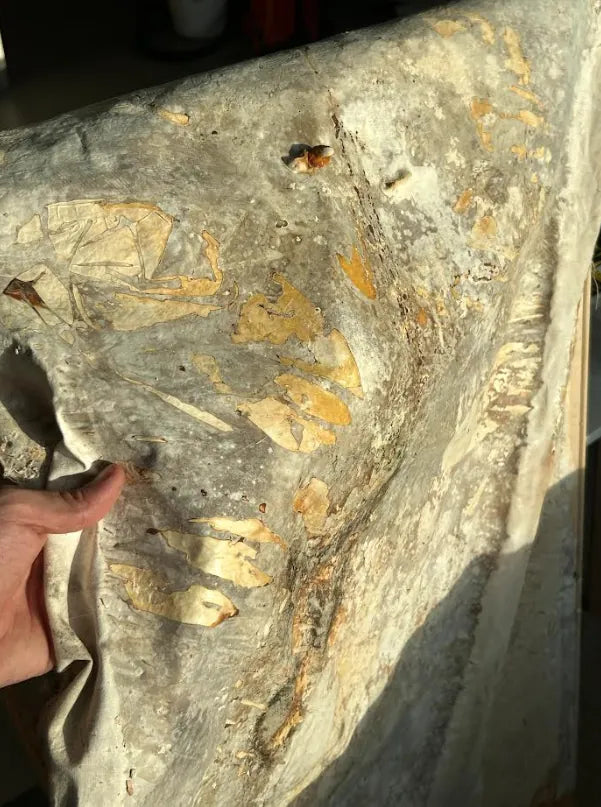
Mycelium-on-grain (MOG) should not be confused with liquid-grown mycelium. MOG material contains residual grain substrate and may significantly dilute active compound density.
The Problem With Ratio Marketing
Ratios such as 8:1, 10:1, or 15:1 are frequently used to imply strength. However, the extraction ratio does not automatically indicate potency.
A high-ratio extract made from low-quality biomass remains low quality. A properly produced 1:1 whole-profile extract may preserve a broader and more authentic compound spectrum.
Higher numbers do not guarantee higher bioactive value. Ratios measure input weight, not output chemistry. They sound impressive, but they cannot be independently verified in a finished extract. Integrity matters more than concentration claims.

Why Beta-Glucans Alone Are Not Enough
Beta-glucans are an important marker in mushroom extracts. But beta-glucan percentages can be artificially elevated through yeast-derived polysaccharides or external inputs. Without secondary markers, beta-glucan testing is incomplete.
A more reliable quality framework includes: verified beta-glucan testing using recognised methods, supporting compound markers such as polyphenols, clear extraction disclosure, and independent ISO-accredited laboratory analysis.
More recently, hericenone testing has become available for fruiting body extracts. This adds another validation layer. Single-marker testing creates blind spots. Multi-marker verification strengthens credibility.
Laboratory Standards
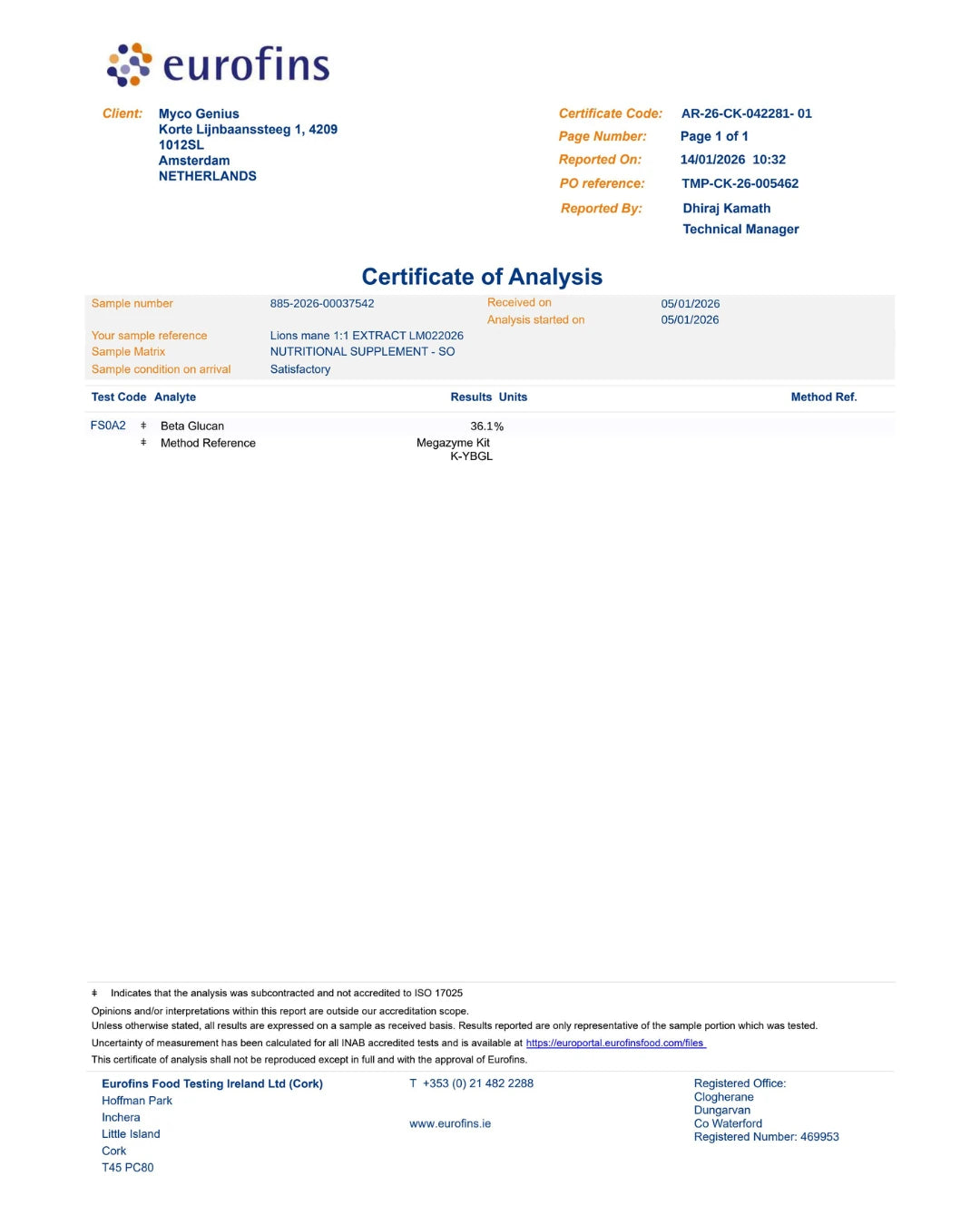
Laboratory testing must be conducted by ISO-accredited facilities using recognised analytical protocols. If the laboratory is not ISO-accredited, the results cannot be considered equivalent to validated analytical standards.
A credible Certificate of Analysis should include: batch identification, analytical method reference, clear compound values, and laboratory accreditation details.
Without this level of transparency, quality claims remain unverified.
The Mycogenius Position
Three Principles. No Compromises.

Material Integrity
We use only whole-profile fruiting body extracts in line with EU regulations. No mycelium-on-grain. No grain substrate dilution.
Extraction Transparency
We disclose our extraction method for every product. We do not rely on marketing ratios or unverifiable concentration claims.

Verified Laboratory Testing
Every batch is tested by ISO 17025-accredited laboratories. We publish Certificates of Analysis. Quality should not rely on belief — it should be demonstrable.
View Lab Reports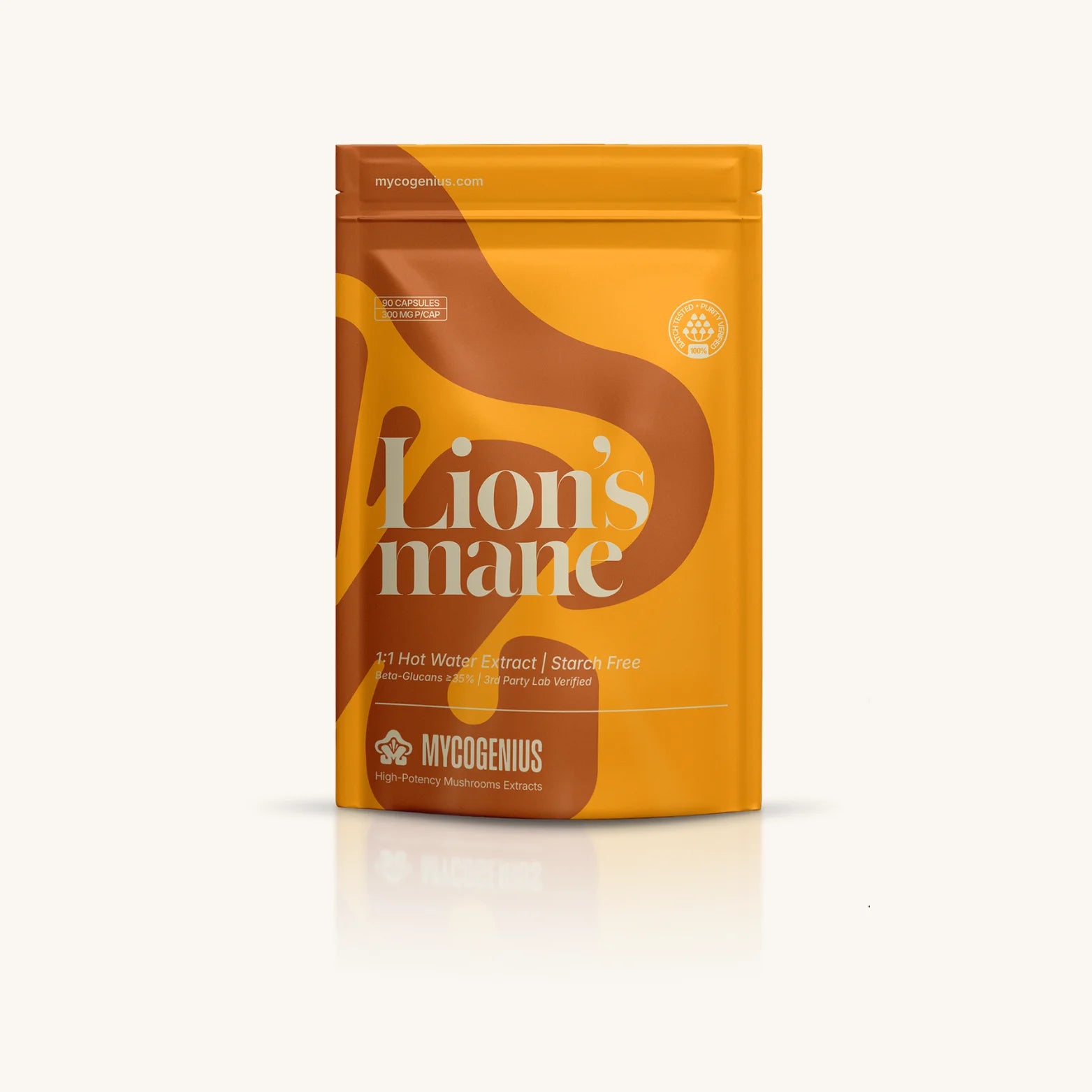
See the Standard in the Product
Our Lion’s Mane extract is produced to every standard outlined in this document — fruiting body only, dual-extracted, batch-tested by ISO 17025-accredited laboratories, with every COA published.
Learn More About Functional Mushrooms





EU Organic · certified by Organic Trust.
Certified extract producer · FSSC 22000, ISO 22000, ISO 9001.

Packed in the Netherlands · ISO 22000 / FSSC 22000.
Every batch independently tested · ISO/IEC 17025-accredited laboratory