
Buyer's Guide 2026
Best Lion's Mane Supplements 2026
Not all Lion's Mane supplements are created equal. This guide breaks down what separates a quality extract from a marketing-led product, covering extraction methods, testing standards, bioactive compounds, and how to identify genuine fruiting body extracts.
What Makes a Lion's Mane Supplement 'Best'?
The quality of a Lion's Mane supplement is not determined by marketing claims, high extraction ratios, or the term 'dual extract' alone. It is determined by four verifiable factors:
1. Source material: 100% fruiting body extracts (not mycelium-on-grain) comply with EU regulations and align with the research literature.
2. Extraction methodology: Dual extraction (hot water + alcohol) captures the full compound spectrum—both hericenones and beta-glucans.
3. Third-party testing: ISO 17025-accredited laboratory analysis with published Certificates of Analysis for each batch.
4. Transparency: Clear disclosure of source material, extraction method, marker compounds tested, and laboratory identity.
Without these four elements, quality cannot be independently verified.
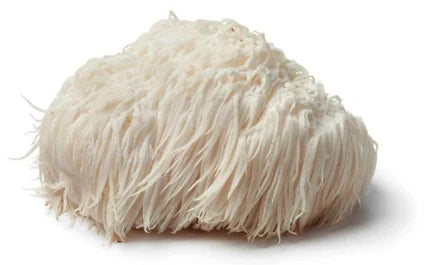
Why Lion's Mane Quality Matters
Lion's Mane (Hericium erinaceus) is one of the most researched functional mushrooms—but also one of the most misunderstood in terms of quality assessment.
In the European Union, Lion's Mane mycelium is classified as a novel food. As a result, most compliant products use fruiting body extracts exclusively. Fruiting bodies contain hericenones, beta-glucans, and polyphenols. Liquid-grown mycelium contains erinacines, which are not found in fruiting bodies.
A quality fruiting body extract should:
- Disclose extraction method (water, alcohol, or both)
- Provide batch-specific test results from an ISO-accredited lab
- Show verified beta-glucan levels (typically 25-40%)
- Pass the cloud test (turns milky in hot water)
Shop Lion's Mane Capsules · Read the Lion's Mane Quality Guide →
What to Avoid in Lion's Mane Supplements
Low-quality Lion's Mane supplements often share these red flags:
1. Mycelium-on-grain (MOG): Contains residual grain substrate (rice, oats) that dilutes active compound density. Check for starch content using the iodine test.
2. Undisclosed source material: If the label doesn't clearly state 'fruiting body extract', assume it contains mycelium-on-grain.
3. No third-party testing: Generic or missing Certificates of Analysis are a major red flag. Quality brands publish batch-specific COAs.
4. Extraction ratio marketing: High ratios (8:1, 10:1, 15:1) sound impressive but measure input weight—not output potency. A 1:1 whole-profile extract can be superior to a 10:1 extract made from poor-quality biomass.
5. Beta-glucans as the only marker: Beta-glucan testing alone is incomplete. Look for multi-marker verification including hericenones or polyphenols.
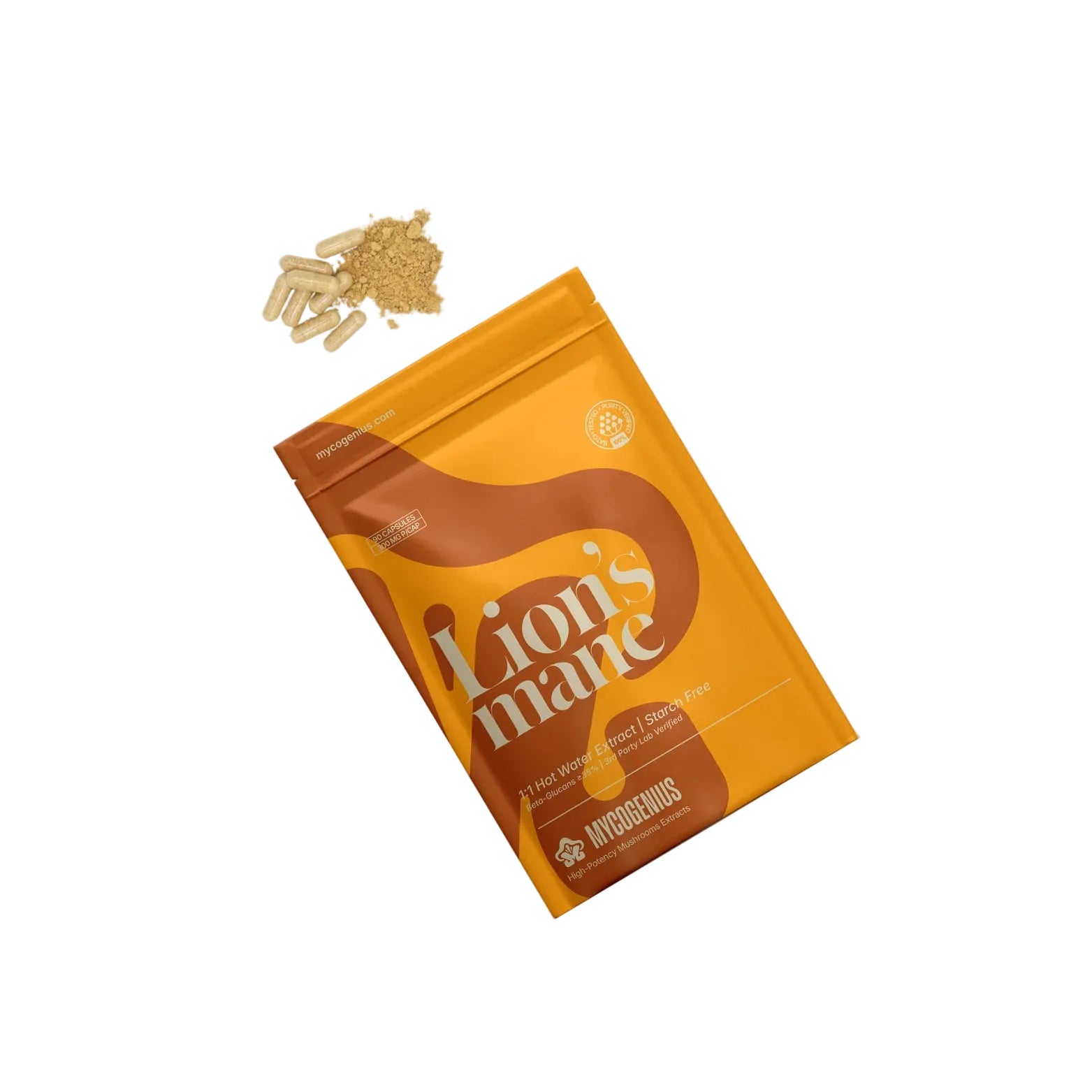
How to Compare Lion's Mane Supplements
When evaluating Lion's Mane products, use this checklist:
Source Material Disclosure: Does the label clearly state 'fruiting body extract'? If not disclosed, it likely contains mycelium-on-grain.
Extraction Method: Dual extraction (water + alcohol) captures both water-soluble beta-glucans and alcohol-soluble hericenones. Single extraction products miss compounds.
Beta-Glucan Content: Look for 25-40% beta-glucans verified by enzymatic-gravimetric method (AOAC). Lower values may indicate grain dilution.
Laboratory Accreditation: ISO 17025 accreditation is essential. Non-accredited labs cannot be independently validated.
Batch-Specific Testing: Each production batch should have its own Certificate of Analysis with a unique batch code.
The Cloud Test: Mix in hot water—quality extracts turn cloudy/milky. If it floats, clumps, or stays clear: low quality.
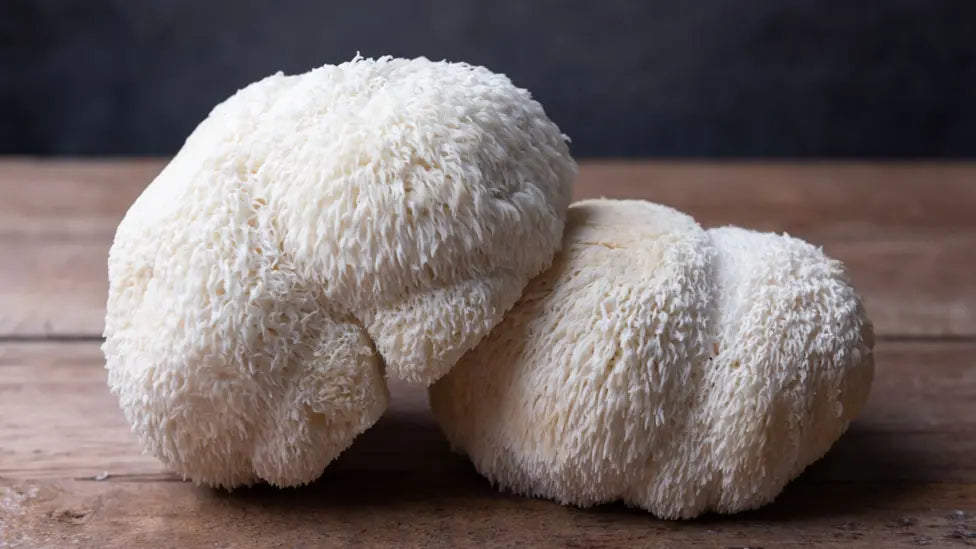
Mycogenius Lion's Mane — Why It Qualifies
At Mycogenius, our Lion's Mane extract meets the four quality criteria outlined above:
1. Source Material: 100% organic fruiting body extract (Hericium erinaceus)—no mycelium-on-grain, no fillers, no grain substrate. Grown on hardwood logs in controlled conditions.
2. Extraction Method: Dual extraction using hot water and alcohol to capture the full compound spectrum—both hericenones and beta-glucans.
3. Third-Party Testing: Every batch is tested by Eurofins (ISO 17025-accredited). We publish full Certificates of Analysis with batch codes.
4. Transparency: We disclose everything—source, extraction, testing methods, and laboratory identity. No proprietary blends, no hidden ingredients.
Verified Beta-Glucans: 30-35% per batch (enzymatic-gravimetric method). Passes the Cloud Test: Turns milky in hot water.
Usage Guide
How to Use Lion's Mane Supplements

Recommended Dosage
Most research uses 500-3000mg of fruiting body extract daily. Start with 500mg and adjust based on individual response. Consistency matters more than high single doses.

Best Time to Take
Lion's Mane can be taken morning or evening. Many users prefer mornings for daytime focus. Take on an empty stomach for optimal absorption, 30 minutes before meals.

Capsules vs Powder
The extract is identical—format is personal preference. Capsules offer convenience and pre-measured doses. Powder allows flexible dosing and can be added to coffee or smoothies.
Learn About Extraction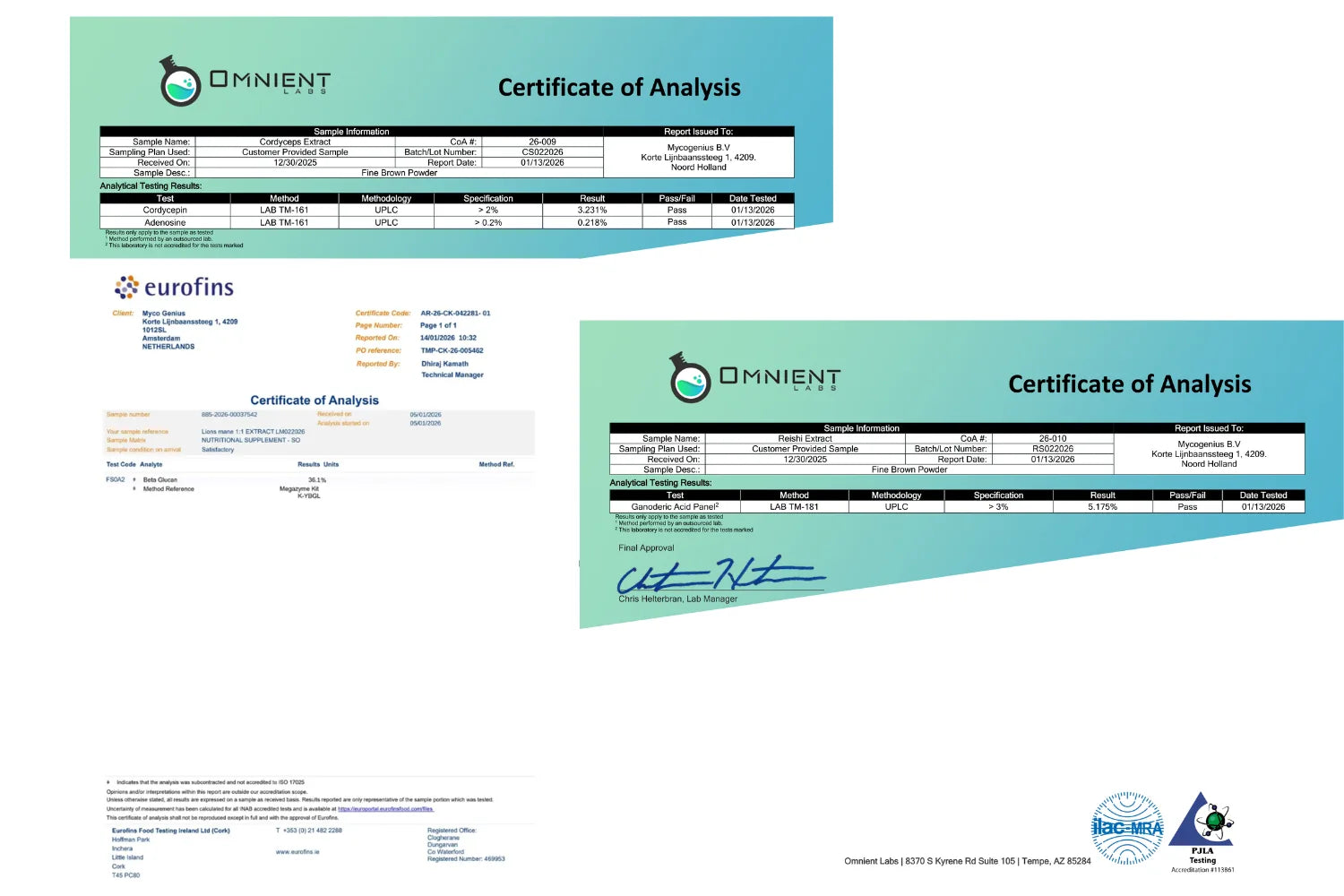
Common Mistakes When Buying Lion's Mane
Avoid these common pitfalls when choosing a Lion's Mane supplement:
1. Trusting extraction ratios. A 10:1 ratio sounds impressive but measures input weight, not output quality. A properly produced 1:1 whole-profile extract can be superior.
2. Relying on beta-glucans alone. Beta-glucan percentages can be artificially elevated with yeast-derived polysaccharides. Look for multi-marker verification.
3. Ignoring laboratory accreditation. Non-ISO-accredited labs cannot be independently validated. Always check for ISO 17025 accreditation.
4. Assuming 'organic' means quality. Organic certification is important, but it doesn't guarantee extraction quality, testing standards, or compound potency.
5. Buying based on price alone. Genuine fruiting body extracts cost more to produce than mycelium-on-grain products. Unusually low prices often indicate diluted or low-quality material.
Frequently Asked Questions
What is the best Lion's Mane supplement in 2026?
The 'best' supplement is one that meets four criteria: 100% fruiting body extract, dual extraction methodology, ISO-accredited third-party testing, and full transparency. If a product doesn't disclose these elements, quality cannot be verified.
How much Lion's Mane should I take daily?
Most research uses 500-3000mg of fruiting body extract per day. Start with 500mg and adjust based on individual response. Consistency over weeks is more important than high single doses.
How long does Lion's Mane take to work?
Individual responses vary. Many users report noticing changes after 4-8 weeks of consistent daily use. Lion's Mane is not a stimulant and does not produce immediate acute effects.
Should I choose capsules or powder?
Both deliver the same extract when produced from the same source material. Capsules offer pre-measured convenience. Powder allows flexible dosing and can be mixed into coffee, tea, or smoothies.
What is the cloud test?
Mix your Lion's Mane extract in hot water. A quality fruiting body extract will turn cloudy or milky as beta-glucans dissolve. If it floats, clumps, or stays clear, it likely contains grain substrate or is low quality.
Is Lion's Mane legal in the EU?
Yes. Lion's Mane fruiting body extracts are legal throughout the European Union as food supplements. Mycelium extracts carry a novel food classification but fruiting body extracts do not.
Can I take Lion's Mane every day?
Yes. Lion's Mane is designed for daily use. Most research on its compound profiles is conducted over extended periods. Consistency is key for evaluating effects.

Start With Verified Quality
Mycogenius Lion's Mane is dual-extracted from 100% organic fruiting bodies, tested by Eurofins (ISO 17025), and verified for beta-glucans, hericenones, and polyphenols. Every batch is published with full transparency.
EU Organic · certified by Organic Trust.

Certified extract producer · FSSC 22000, ISO 22000, ISO 9001.

Packed in the Netherlands · ISO 22000 / FSSC 22000.
Every batch independently tested · ISO/IEC 17025-accredited laboratory