Cordyceps Militaris vs Sinensis: What's the Difference?
Cordyceps militaris and Cordyceps sinensis are two different species, and the supplements made from them are produced in fundamentally different ways. Understanding this distinction is essential if you are buying a Cordyceps supplement because the species, growing method, and extraction process all determine which bioactive compounds end up in the product.
The confusion is understandable. Both species belong to the genus Cordyceps, both have a long history of use in traditional East Asian medicine, and both are marketed under the general label "Cordyceps." But they contain different compound profiles, are cultivated using different methods, and have different bodies of scientific research behind them.
Wild Cordyceps sinensis: The Rare Original
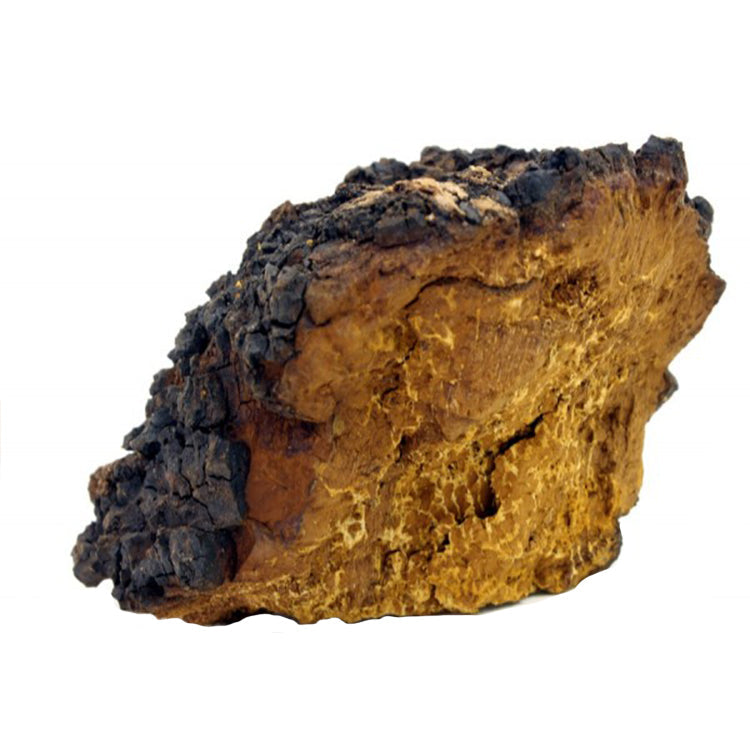
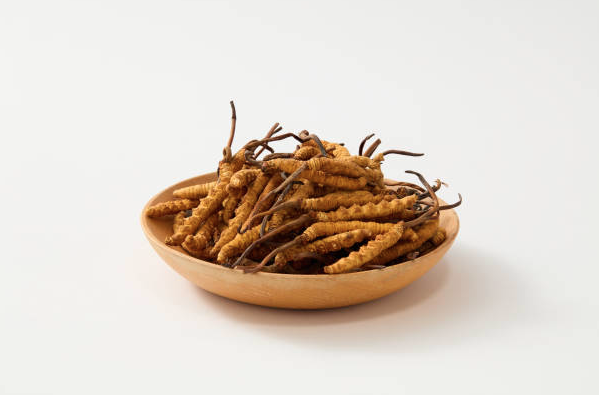
Wild Cordyceps sinensis (also known as Ophiocordyceps sinensis after reclassification) is a parasitic fungus that grows on caterpillar larvae in the high-altitude grasslands of the Tibetan Plateau, above 3,500 metres. The fungal spores infect the larva, consume it from the inside, and eventually produce a fruiting body that emerges from the caterpillar's head.
It is one of the most expensive natural substances in the world. Wild Cordyceps sinensis trades for $20,000 to $100,000+ per kilogram, depending on quality and harvest year. It has been called "Himalayan gold" and "caterpillar fungus."
Why this matters for supplements: Wild Cordyceps sinensis cannot be commercially cultivated. Despite decades of attempts, nobody has successfully grown the full lifecycle (larva infection → fruiting body) at commercial scale. Every credible attempt at large-scale fruiting body production of C. sinensis has failed.
This means any affordable Cordyceps supplement is made from one of two alternatives:
- Cordyceps CS-4 mycelium (from C. sinensis — liquid fermentation)
- Cordyceps militaris fruiting body (a different species — cultivated on substrate)
Cordyceps CS-4: The Liquid-Fermented Mycelium
CS-4 is a specific strain of Cordyceps sinensis mycelium (strain Cs-4, also known as Paecilomyces hepiali or Hirsutella sinensis in some literature) that was isolated from wild specimens and is grown via liquid fermentation (submerged culture).
Key points about CS-4:
- It is mycelium, not a fruiting body. CS-4 is grown in liquid nutrient broth, not on grain. The mycelium is harvested from the liquid culture, dried, and processed. There is no grain substrate in the final product.
- It has a substantial research base. CS-4 has been used in over 20 clinical trials in China and has been approved by the Chinese Ministry of Health as a standardised Cordyceps product since 1987.
- It is NOT mycelium-on-grain (MOG). This distinction matters. CS-4 liquid fermentation produces pure mycelium without the grain starch contamination that characterises MOG products. The production method is fundamentally different from growing mycelium on rice or oat substrate.
- Key compounds: Adenosine, cordycepin (though typically less than militaris), polysaccharides, cordycepic acid (D-mannitol).
We make this extract. Organic Cordyceps CS-4, cordycepin standardised, third-party tested.
Shop Cordyceps →Cordyceps Militaris: The Cultivatable Fruiting Body
Cordyceps militaris is a distinct species that, unlike C. sinensis, can be reliably cultivated to produce fruiting bodies. It is typically grown on a nutrient substrate (often rice or silkworm pupae) under controlled conditions.
Key points about C. militaris:
- It produces actual fruiting bodies. Unlike CS-4, militaris supplements can be and usually are made from the visible, orange, club-shaped fruiting body.
- It is the richest known natural source of cordycepin. Cordycepin (3'-deoxyadenosine) is one of the most studied Cordyceps compounds. C. militaris fruiting bodies contain significantly higher concentrations of cordycepin than CS-4 mycelium or wild C. sinensis (Tuli et al., 2014).
- Key compounds: Cordycepin (high), adenosine, beta-glucans, ergosterol, polysaccharides.
- Growing method matters. Substrate-grown militaris produces fruiting bodies, but the quality depends on cultivation conditions, substrate quality, and proper extraction.
Cordyceps Militaris vs CS-4: Direct Comparison
| Cordyceps Militaris | Cordyceps CS-4 | |
|---|---|---|
| Species | Cordyceps militaris | Cordyceps sinensis (strain Cs-4) |
| Part used | Fruiting body | Mycelium (from liquid fermentation) |
| Growing method | Cultivated on substrate in controlled conditions | Liquid fermentation (submerged culture) |
| Cordycepin content | High (richest natural source) | Lower (present but less concentrated) |
| Adenosine | Present | Present |
| Beta-glucans | Present (from fungal cell walls) | Present (from mycelial cell walls) |
| Research base | Growing. Extensive research on cordycepin specifically. | Extensive. 20+ clinical trials. Approved by the Chinese Ministry of Health since 1987. |
| Contains grain? | Possible if MOG. Check that the product is a fruiting body extract, not a myceliated grain. | No. Liquid fermentation does not use a grain substrate. |
| Price | Moderate to high | Moderate |
Which Should You Choose?
Both are legitimate Cordyceps products, but they are better thought of as complementary rather than competing:
- Choose Cordyceps militaris fruiting body if you prioritise cordycepin content. Militaris is the richest known natural source of this compound. Ensure the product is made from the fruiting body (not MOG) and is properly extracted.
- Choose Cordyceps CS-4 if you value the depth of clinical research behind the product. CS-4 has the most extensive human trial data of any Cordyceps product. It is a pure mycelium extract with no grain contamination, produced by liquid fermentation.
Some products combine both species, which is a reasonable approach if each is included at a meaningful dose and the product is transparently labelled.
What to avoid in either case:
- Cordyceps mycelium-on-grain (MOG): If a militaris product lists "mycelium" or "myceliated grain," it is not a fruiting body extract. It is grown on grain and contains a significant amount of starch.
- "Cordyceps sinensis" without specifying CS-4: If a product claims to be C. sinensis but does not specify CS-4 or liquid fermentation, question the source. Wild sinensis is prohibitively expensive and widely counterfeited.
- No cordycepin or adenosine data: If a Cordyceps supplement does not test for these compounds, the brand is not verifying the most distinctive bioactives in their product.
Cordyceps Side Effects and Considerations
Cordyceps mushrooms (both militaris and sinensis/CS-4) have a long history of traditional use and a generally favourable safety profile in the research literature. However, there are some considerations:
- Mild digestive discomfort: Some people experience minor stomach upset, particularly when starting Cordyceps at higher doses. Starting at a lower dose and increasing gradually is standard advice.
- Blood-thinning interaction: Cordyceps has been reported to have mild anticoagulant properties. People taking blood-thinning medication (warfarin, heparin, etc.) should consult their healthcare provider before using Cordyceps supplements.
- Autoimmune conditions: Due to the polysaccharide content, people with autoimmune conditions should consult a healthcare professional before use.
- Pregnancy and nursing: Insufficient safety data. Consult a healthcare professional.
Serious adverse effects from Cordyceps supplementation at standard doses are rare in the published literature. As with all supplements, quality matters. A contaminated or adulterated product poses different risks than a properly tested one.
Mycogenius Cordyceps CS-4 Extract
Our Cordyceps is an award-winning CS-4 mycelium extract, produced by liquid fermentation (not grown on grain). Dual-extracted with verified cordycepin and adenosine content. Every batch is third-party tested at an ISO 17025-accredited laboratory, and our Certificates of Analysis are published on our website.
Ready to try Cordyceps?
Organic CS-4 extract. Over 1.5% cordycepin. Third-party tested.
Shop CordycepsFrequently Asked Questions
What is the difference between Cordyceps militaris and Cordyceps sinensis?
They are different species. Cordyceps militaris produces cultivatable fruiting bodies and is the richest natural source of cordycepin. Cordyceps sinensis cannot be commercially cultivated as a fruiting body. Instead, the CS-4 mycelium strain is grown via liquid fermentation. Both are legitimate Cordyceps products with different compound profiles and different research bases. CS-4 has extensive clinical trial data; Militaris has higher cordycepin content.
Is Cordyceps militaris better than CS-4?
Neither is universally "better." Militaris has a higher cordycepin content and is a whole-fruiting-body extract. CS-4 has more extensive clinical research (20+ trials, approved by the Chinese Ministry of Health since 1987) and is a pure liquid-fermented mycelium with no grain. The choice depends on whether you prioritise cordycepin concentration or the depth of clinical research.
What are the side effects of Cordyceps mushrooms?
Cordyceps has a generally favourable safety profile. Mild digestive discomfort is the most commonly reported side effect, usually at higher initial doses. Cordyceps may have mild anticoagulant properties, so people on blood-thinning medication should consult a healthcare provider. People with autoimmune conditions and those who are pregnant or nursing should seek medical advice before use.
Is CS-4 the same as mycelium-on-grain?
No. CS-4 is produced by liquid fermentation (submerged culture), where mycelium grows in a liquid nutrient broth. The harvested product is pure mycelium with no grain substrate. Mycelium-on-grain (MOG) grows mycelium on sterilised rice or oats, and the entire substrate (mycelium + grain) is dried and ground. CS-4 contains no grain starch; MOG products typically contain 50% or more starch.
What is cordycepin, and why does it matter?
Cordycepin (3'-deoxyadenosine) is a nucleoside analogue found naturally in Cordyceps mushrooms. It is one of the most extensively studied compounds from Cordyceps. Cordyceps militaris fruiting bodies are the richest known natural source. CS-4 also contains cordycepin, but at lower concentrations. Cordycepin content is a key quality marker for any Cordyceps supplement.
Get the Dosage & Timing Cheat Sheet
Exact amounts and best timing for all six species, on one page. Free PDF, straight to your screen.
Something went wrong; please try again.
You'll also get our occasional research-based newsletter. Unsubscribe any time.
Done. Here's your cheat sheet.
We've also emailed you a copy so you can find it later.
Download the PDFMycogenius Cordyceps CS-4 Extract
Organic liquid-fermented CS-4 mycelium. Cordycepin ≥1.5%. Third-party tested, batch COA published.
★★★★★ 4.7 on Trustpilot
Shop Cordyceps