101 Questions About Functional Mushrooms
Most of what you read about functional mushrooms online was written by someone who has never held a Certificate of Analysis, never visited a growing facility, and never sent a competitor's product to a third-party lab. I have done all three. My name is Seth, and I founded Mycogenius because I saw what was actually inside most mushroom supplements sold across Europe. Independent analytical work, including NMR metabolomics screening by Purity-IQ, has identified significant quality inconsistencies in the European mushroom supplement market, with a large proportion of products found to contain fillers that inflate beta-glucan test results. That finding changed how I build products, how I source, and how I talk about this industry.
Here are 101 questions I get asked constantly, answered honestly.
Quick Navigation
The Big Questions Everyone Asks First
1. Do functional mushrooms actually do anything? 2. Are functional mushrooms scientifically proven? 3. Are functional mushrooms FDA approved? 4. Are functional mushrooms legal in the UK and Europe? 5. Can functional mushrooms replace my medication? 6. Why are functional mushroom supplements so expensive? 7. What are the main health benefits people take functional mushroo... 8. Can mushroom supplements interact with my medications? 9. What are the most common side effects of mushroom supplements? 10. Are functional mushrooms adaptogens?Lion's Mane
11. Does lion's mane actually help with brain fog? 12. Can lion's mane improve my memory and focus? 13. Does lion's mane help with ADHD? 14. Is lion's mane going to mess with my testosterone? 15. What does a dual extraction actually involve, step by step? 16. Is lion's mane psychedelic? 17. Can lion's mane help with depression and anxiety? 18. Can lion's mane help with Alzheimer's or dementia? 19. Does lion's mane help with nerve damage or neuropathy? 20. What are the side effects of lion's mane? 21. How much lion's mane should I take per day? 22. How long does it take for lion's mane to work? 23. When is the best time to take lion's mane? 24. Is lion's mane safe to take every day for years?Reishi
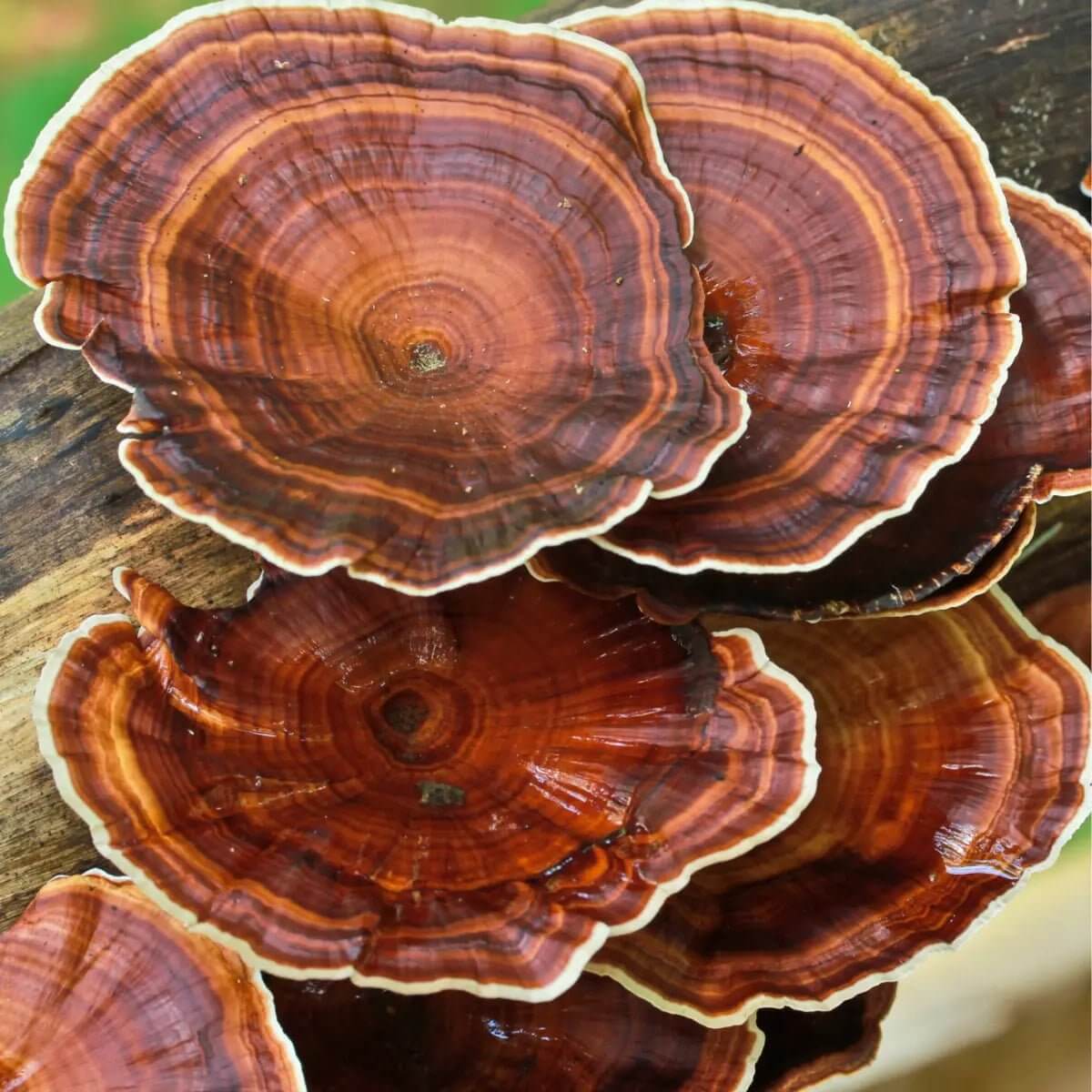
25. Does Reishi actually help you sleep? 26. Does Reishi lower cortisol levels? 27. Can Reishi help with anxiety and stress? 28. Can Reishi cause liver damage? 29. Does Reishi thin the blood? 30. Can I take Reishi if I'm on blood pressure medication? 31. Does Reishi boost the immune system? 32. What are the side effects of Reishi? 33. How much Reishi should I take daily? 34. How long does it take for Reishi to work? 35. When is the best time to take Reishi? 36. Can I take Reishi every day for a long time? 37. Is Reishi actually safe for the liver?Cordyceps
38. Can cordyceps actually give you more energy? 39. Does cordyceps improve athletic performance? 40. Does cordyceps actually improve VO2 max? 41. Does cordyceps increase testosterone or sex drive? 42. Why is wild cordyceps worth more per gram than gold? 43. Is cordyceps the same as the mushroom from The Last of Us? 44. Can cordyceps infect humans? 45. What is the difference between Cordyceps sinensis and Cordyceps... 46. How is cordyceps grown? 47. What are the side effects of cordyceps? 48. How much cordyceps should I take per day? 49. When is the best time to take cordyceps?Chaga
50. Is chaga really the most powerful antioxidant? 51. Can I take chaga if I'm on blood thinners? 52. Is chaga safe if I have an autoimmune disease? 53. Is chaga safe for my kidneys? 54. Can chaga cause kidney stones? 55. Where does chaga come from, and is it sustainable? 56. How much chaga is safe to consume daily? 57. What is the best way to take chaga?Turkey Tail
58. Does turkey tail help with cancer? 59. Why is country of origin important for mushroom extracts? 60. Can you build tolerance to functional mushrooms? 61. What are PSK and PSP, and why do they matter? 62. What are the side effects of turkey tail? 63. How much turkey tail should I take per day?Tremella
64. What is the polydextrose fraud problem in mushroom supplements? 65. What does NMR metabolomics testing reveal that standard tests miss? 66. What are the biggest red flags when buying mushroom supplements? 67. Why do lab results vary so much between mushroom brands? 68. How can a consumer verify beta-glucan claims independently? 69. What is FSSC 22000 and how does it differ from GMP?Quality and Buying Smart
70. What is the difference between mushroom extract and mushroom po... 71. What is the difference between fruiting body and mycelium? 72. What are beta-glucans, and why do they matter? 73. Can mushroom supplements contain heavy metals? 74. Should I buy capsules, powder, tincture, or gummies? 75. What should I look for when buying a mushroom supplement?How to Take Them
76. Can I take multiple mushroom supplements together? 77. What is the difference between 1:1 and 10:1 extraction ratios? 78. Should I take mushroom supplements with food? 79. How long before I actually notice results? 80. What did the Purity-IQ NMR study actually find about European supplements? 81. What happens if I stop taking mushroom supplements? 82. Are mushroom supplements safe during pregnancy? 83. What happens to mushroom compounds during digestion? 84. Are mushroom supplements safe for children? 85. How do beta-glucans actually interact with your immune system? 86. Should I stop taking mushroom supplements before surgery? 87. Are mushroom supplement reviews reliable, or mostly fake? 88. Can I take mushroom supplements if I have an autoimmune disease?General Knowledge
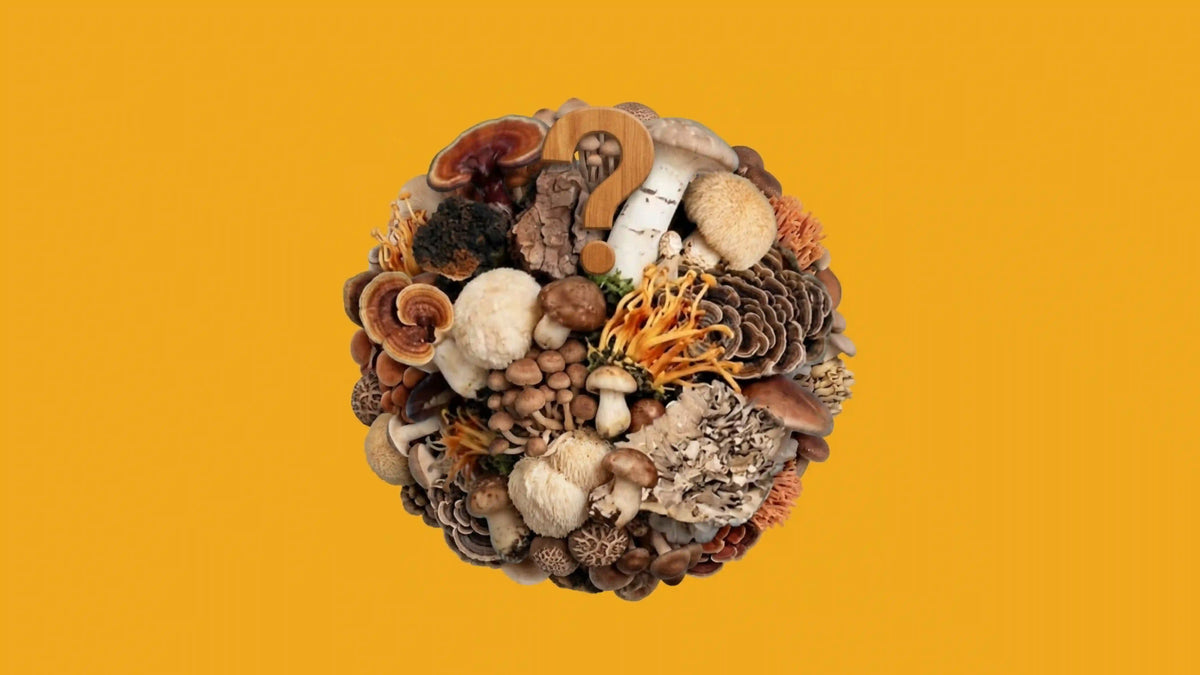
89. What are species-specific quality markers for each functional mushroom? 90. What is the difference between functional mushrooms and regular... 91. What are the most popular functional mushrooms? 92. How long have people been using functional mushrooms? 93. What is the difference between polysaccharides and beta-glucans on a supplement label? 94. Are there long-term risks of taking mushroom supplements? 95. What does "dual extracted" actually mean, and why does it... 96. How do you read a mushroom supplement Certificate of Analysis (COA)? 97. Are mushroom supplements regulated in Europe? 98. Why do different brands of the same mushroom give differe... 99. What is the difference between cordycepin and adenosine? 100. What is the difference between a 1:1 extract and a dual... 101. So what are functional mushrooms, really?The Big Questions Everyone Asks First
1. Do functional mushrooms actually do anything?
Yes. But the product you buy matters more than the species you choose. Over 2,000 years of traditional use and modern clinical trials point to lion's mane supports cognition, Reishi supports sleep and stress management, cordyceps supports endurance, and turkey tail supports gut health and immune modulation.
The catch is quality. Independent analytical work has identified significant quality problems in European mushroom supplements, with many products found to contain fillers rather than genuine mushroom bioactives. The reason: most contain raw powder with intact chitin cell walls, locking bioactive compounds inside where your body cannot access them. Extract versus raw powder is the single biggest variable determining whether a product does anything at all.
2. Are functional mushrooms scientifically proven?
Depends what you mean by "proven." Thousands of published studies exist, including randomised controlled trials. PSK from turkey tail has been approved in Japan as an adjunctive therapy since 1977. That is not fringe science.
But the honest answer is that the evidence is stronger for some species than others, and large-scale, long-term human trials are expensive and rarely funded for food supplements. The research is real. Mori et al. 2009 ran a 16-week RCT on lion's mane and found significant cognitive improvement. Tang et al. 2005 found Reishi reduced fatigue and improved wellbeing in neurasthenia patients at 8 weeks. Chen et al. 2010 found cordyceps improved metabolic and ventilatory thresholds at 12 weeks. Calling it "proven" oversells it. Calling it "unproven" ignores decades of clinical data. The truth is somewhere in between, and the quality of the product you take determines whether any of it applies to you.
3. Are functional mushrooms FDA approved?
No, and neither is any food supplement. The FDA approves drugs, not supplements. In the US, supplements fall under DSHEA. In Europe, EU food law and Novel Food regulations apply.
The better question is whether the manufacturer tests what they sell. Regulatory approval tells you it is legal to sell. Third-party testing tells you whether it is worth buying. Those are two very different things.
4. Are functional mushrooms legal in the UK and Europe?
Yes. Functional mushrooms are legal food supplements in the EU, UK, US, and most countries worldwide. They contain no psilocybin or controlled substances.
The nuance is EU Novel Food regulation, which varies by species and form. Cordyceps militaris is classified as Novel Food in the EU. Turkey tail in all forms is Novel Food in the EU. CS-4 (the Cordyceps mycelium used in many supplements) has a different regulatory standing. None of this affects legality for the consumer, but it shapes what brands can legally sell.
5. Can functional mushrooms replace my medication?
No. Full stop. They are food supplements, not pharmaceuticals.
Some people use them alongside their existing routine, but that is a conversation between you and your doctor. The value of functional mushrooms is in long-term daily use as part of a healthy lifestyle, not as a replacement for medical treatment.
6. Why are functional mushroom supplements so expensive?
Because the real ones cost a lot to make. Reishi fruiting bodies take over 9 months to grow on hardwood logs. Dual extraction is a multi-step process that requires both ethanol and hot water to pull different compound classes. Third-party testing in ISO 17025-accredited labs costs real money per batch.
Cheap mushroom supplements are cheap for a reason. They typically contain mycelium grown on grain (mostly starch), skip third-party testing, and use raw powder instead of extract. These quality failures didn't come from expensive products.
7. What are the main health benefits people take functional mushrooms for?
Each species has different bioactive compounds and different traditional and research-supported applications. Lion's mane is studied for cognition and nerve growth factor (NGF). Reishi is traditionally used for sleep, stress, and immune modulation. Cordyceps is researched for energy and endurance via ATP production. Chaga contains betulinic acid and is studied for its antioxidant properties. Turkey tail contains PSK and PSP, studied for gut health and immune modulation. Tremella is traditionally used for skin hydration.
Research: These applications are supported by varying levels of evidence, from millennia of traditional use to modern clinical trials. Product quality and form are the main variables.
8. Can mushroom supplements interact with my medications?
The risk for most standard medications is low, but it is not zero. Reishi contains ganoderic acids with mild antiplatelet activity, which is relevant if you are taking blood thinners. Chaga also has anticoagulant properties.
Always tell your doctor what supplements you take. This isn't a disclaimer for its own sake. Ganoderic acids have a real pharmacological effect on platelet aggregation, and your doctor needs that information to manage your care properly.
9. What are the most common side effects of mushroom supplements?
Mild gastrointestinal discomfort, typically bloating or loose stool, is the most commonly reported side effect. It is usually temporary and dose-related.
Rare side effects include allergic reactions in people with mushroom or mould allergies, blood-thinning effects from Reishi at high doses, and oxalate concerns with extreme raw chaga powder intake. Most side effects resolve with dose adjustment or taking the supplement with food. Clinical trials at standard doses have not reported significant adverse effects.
10. Are functional mushrooms adaptogens?
Some of them are classified that way, but the term has no formal EU regulatory definition. Adaptogens are substances traditionally understood to help the body adapt to stress.
Reishi is the most commonly classified adaptogen among functional mushrooms. Cordyceps and chaga are sometimes included. Lion's mane is typically classified as a nootropic rather than an adaptogen. The concept comes from traditional medicine and is useful as a framework, but it is not a regulated category.
Lion's Mane
11. Does lion's mane actually help with brain fog?
It is the most common reason people start taking it, and the feedback we hear most often. The mechanism: lion's mane contains hericenones that stimulate nerve growth factor (NGF), which supports neuron maintenance and growth.
The effect is cumulative, not immediate. Most people notice subtle changes at 4 to 8 weeks. Saitsu et al. 2020 found measurable cognitive improvements in healthy adults over 50 after 12 weeks. This is not a quick fix. It builds with daily consistency, and it takes patience to notice.
12. Can lion's mane improve my memory and focus?
Studies suggest it can, particularly in older adults. NGF supports neuron growth and maintenance, which are fundamental to memory and focus.
Research: Mori et al. (2009) conducted a 16-week randomised controlled trial and found significant cognitive improvement in older adults with mild cognitive impairment compared with placebo. Saitsu et al. 2020 confirmed cognitive improvements at 12 weeks. Both studies found that effects were cumulative and that daily consistency mattered. Mori also found that benefits reversed when supplementation stopped.
13. Does lion's mane help with ADHD?
There are no clinical trials specifically studying lion's mane and ADHD. The NGF mechanism is theoretically relevant to attention and focus, and anecdotal reports in nootropic communities are widespread and encouraging. To be honest: the mechanism makes sense, the anecdotes are encouraging, but the clinical evidence specifically for ADHD isn't there yet. If you are managing ADHD with medication, do not replace it with lion's mane. Some people use it alongside their existing routine, but that is a conversation for your doctor.
14. Is lion's mane going to mess with my testosterone?
There is no human clinical evidence that lion's mane affects testosterone levels. This concern comes from a single in vitro study (Murata 2023) showing 5-alpha reductase inhibition in a petri dish.
In vitro is not the same as in vivo. What happens in a cell culture does not necessarily translate to what happens in a human body. Thousands of people supplement with lion's mane daily with no reported hormonal side effects. Based on available evidence, this is not a concern at standard supplement doses.
15. What does a dual extraction actually involve, step by step?
Dual extraction is the process of using both ethanol (alcohol) and hot water to extract the full spectrum of bioactive compounds from mushroom material. It exists because different compound classes have different solubilities, and no single solvent captures everything.
Step one: ethanol extraction. The dried, milled fruiting body material is immersed in ethanol at a specific concentration (typically 70-95%) for an extended period, often several weeks. The ethanol dissolves alcohol-soluble compounds: triterpenes (such as ganoderic acids in Reishi), diterpenoids (such as hericenones in Lion's Mane), betulinic acid (in Chaga), sterols, and other lipophilic secondary metabolites. Temperature is controlled to prevent degradation of heat-sensitive compounds. After the soak period, the liquid is separated from the spent material and the ethanol fraction is reserved.
Step two: hot water extraction. The same mushroom material, now depleted of its alcohol-soluble compounds, undergoes hot water extraction. The material is simmered in water at temperatures between 80 and 100 degrees Celsius for several hours. Hot water breaks down the chitin cell walls and dissolves water-soluble compounds: beta-glucans, polysaccharides, certain proteins, and other hydrophilic bioactives. The resulting liquid is filtered and reserved.
Step three: combination and concentration. The ethanol fraction and the hot water fraction are combined, then concentrated through controlled evaporation under reduced pressure (to avoid heat damage). The concentrated liquid is spray-dried into a fine powder that can be encapsulated or packaged. The final product contains both the alcohol-soluble and water-soluble compound profiles.
Why the order matters. Ethanol extraction is typically performed first because it is more selective and efficient on intact material. Hot water extraction second is effective at breaking down chitin cell walls already partially disrupted by the ethanol step. Reversing the order can reduce the efficiency of the ethanol extraction because waterlogged material is harder to extract with alcohol, and some compounds may be degraded or lost during the prolonged high temperatures of hot water processing.
What single extraction misses. A product that has undergone only hot water extraction will contain beta-glucans and polysaccharides but will lack meaningful levels of triterpenes, hericenones, betulinic acid, and other alcohol-soluble compounds. These are precisely the compounds responsible for many species-specific properties: the calming effects of Reishi's ganoderic acids, the NGF-stimulating activity of Lion's Mane hericenones, the antioxidant capacity of Chaga's betulinic acid. Conversely, an alcohol-only extraction would miss the beta-glucans entirely.
Dual extraction is more expensive and time-consuming than single extraction, which is why some manufacturers skip it. If a product does not specify its extraction method, it has almost certainly undergone only hot water extraction, or none at all.
16. Is lion's mane psychedelic?
No. Zero psilocybin. Completely different genus. There is no chemical, taxonomic, or pharmacological overlap with psilocybin-containing mushrooms whatsoever.
Lion's mane works through nerve growth factor stimulation. That is a slow, cumulative cognitive effect over weeks and months, not an altered state of consciousness. You will not feel a "high." It is as psychedelic as a cup of tea.
17. Can lion's mane help with depression and anxiety?
Research suggests it may have a supportive role. Nagano et al. 2010 found that lion's mane reduced anxiety and irritability in menopausal women after 4 weeks of supplementation. The mechanism may relate to NGF stimulation and neuroplasticity.
It is important to be clear: lion's mane is not an antidepressant and does not work like SSRIs. It is not a replacement for prescribed mental health treatment. Research suggests a supportive role as part of a broader approach to wellbeing, not a standalone treatment for depression or anxiety.
18. Can lion's mane help with Alzheimer's or dementia?
It is a promising area of research, but it is not a cure. NGF decline is associated with neurodegenerative diseases, and hericenones stimulate NGF production.
Research: Mori et al. 2009 found cognitive improvement in people with mild cognitive impairment over 16 weeks, but improvements reversed when supplementation stopped. This suggests lion's mane may support cognitive maintenance rather than reverse established decline. It is one of the more interesting research directions in functional mycology, but large-scale clinical trials for neurodegenerative conditions have not been conducted.
19. Does lion's mane help with nerve damage or neuropathy?
NGF is essential for nerve cell growth and survival, and lion's mane hericenones stimulate NGF production. Preclinical research suggests potential for peripheral nerve regeneration.
Research: Mori 2009 (Mycoscience) documented NGF-stimulating properties. Animal studies on peripheral nerve regeneration are encouraging. However, clinical trials specifically on neuropathy in humans are limited. This is an area where the mechanism is well understood, but human clinical data are still catching up.
20. What are the side effects of lion's mane?
Lion's mane is generally well-tolerated. The most commonly reported side effects are mild gastrointestinal discomfort such as bloating or nausea, which is usually temporary.
Rare side effects include skin rash or itching in people with mushroom allergies. Clinical trials at standard doses have not reported significant adverse effects. If you experience GI discomfort, try reducing the dose or taking it with food.
21. How much lion's mane should I take per day?
For a dual extract, 500 to 1,000mg per day is the typical range. If you use raw powder, you need significantly more because intact chitin cell walls reduce bioavailability.
Research: Mori et al. 2009 used 3g per day of raw powder. With a quality dual extract, you need far less because the compounds are already bioavailable. Consistency matters more than a single large dose. Research supports daily use over weeks.
22. How long does it take for lion's mane to work?
Most people notice subtle changes at 2 to 4 weeks. Clinical research suggests significant, measurable results appear at 12 to 16 weeks.
Research: Mori et al. 2009 found significant results at 16 weeks. Saitsu et al. 2020 found cognitive improvements at 12 weeks. The NGF mechanism is cumulative, meaning the effects build gradually with daily use. Benefits also reversed when supplementation stopped. Give it at least 8 weeks of daily use before deciding whether it works for you.
23. When is the best time to take lion's mane?
Most people take it in the morning for focus and mental clarity throughout the day. Lion's mane is not a stimulant, so it will not keep you awake if you take it later.
No clinical evidence shows that timing significantly affects efficacy. The best time to take lion's mane is whenever you'll remember to take it consistently. Consistency matters most.
24. Is lion's mane safe to take every day for years?
Based on available evidence, yes. Clinical trials up to 16 weeks showed no significant adverse effects, and traditional use spans centuries with no documented long-term safety concerns.
No evidence shows tolerance or dependence. Mori et al. (2009) found that benefits reversed when supplementation stopped, suggesting that ongoing daily use is the intended model. As with any supplement, product quality matters; poorly sourced products are the real long-term risk, not the mushroom itself.
Explore our Lion's Mane range
Organic dual extract, standardised to 35% beta-glucans. Third-party tested on every batch.
Lion's Mane Capsules Lion's Mane PowderReishi
25. Does Reishi actually help you sleep?
It can, but not the way you might expect. Reishi is not a sedative. It does not knock you out like melatonin or a sleeping tablet. What it does is calm the stress response by modulating cortisol and acting on GABAergic pathways.
Research: Tang et al. 2005 found reduced fatigue and improved wellbeing after 8 weeks of supplementation in neurasthenia patients. While not a sleep study specifically, improvements in rest-related outcomes are consistent with traditional use. The effect comes from calming an overactive nervous system rather than directly inducing sleep. Over 2,000 years of traditional Chinese medicine use supports Reishi as a calming tonic. It works best for people whose sleep is disrupted by stress or an overactive mind.
26. Does Reishi lower cortisol levels?
Research suggests Reishi modulates the stress response, which includes cortisol regulation. Ganoderic acids, the key triterpene compounds in Reishi, are the primary active compounds studied for this effect.
Research: Cui et al. 2012 found anxiolytic (anxiety-reducing) effects through GABAergic pathway modulation. Traditional Chinese medicine has used Reishi for "calming the spirit" for over 2,000 years. It is classified as an adaptogen, meaning it is traditionally understood to help the body adapt to stress rather than simply suppressing cortisol.
27. Can Reishi help with anxiety and stress?
Traditional use and emerging research suggest it can. Reishi has been used as a calming tonic in traditional Chinese medicine for over 2,000 years, and modern research is beginning to explain how it works.
Research: Cui et al. 2012 found anxiolytic effects through GABAergic pathway modulation. Ganoderic acids and beta-glucans appear to work together. Unlike pharmaceutical anxiolytics, Reishi is not associated with drowsiness or dependency. The effects are cumulative over weeks of consistent use, not immediate.
28. Can Reishi cause liver damage?
Most research on Reishi shows hepatoprotective (liver-protective) properties. Researchers have specifically studied ganoderic acids for their liver-protective effects.
A small number of case reports of liver issues have been tied to unverified, low-quality products where the actual contents were unknown. A properly dual-extracted Reishi from a reputable source has a strong safety profile in published research. If you have existing liver concerns, consult your doctor before starting any new supplement.
29. Does Reishi thin the blood?
Yes, mildly. Ganoderic acids have real antiplatelet activity, which is a genuine pharmacological effect. At standard doses of 1,000 to 3,000mg, this is not a concern for healthy people.
It becomes relevant if you are taking anticoagulant medication such as warfarin. If you are on blood thinners, speak to your doctor before taking Reishi. Standard practice is to stop Reishi supplementation 2 weeks before any scheduled surgery.
30. Can I take Reishi if I'm on blood pressure medication?
You can, but your doctor should know. Reishi has traditional use for cardiovascular support, and ganoderic acids have mild vasodilatory effects.
The theoretical concern is an additive effect with antihypertensive medication, meaning blood pressure could drop more than expected. This is not inherently dangerous, but it requires medical awareness. Tell your doctor what you are taking and let them make the call.
31. Does Reishi boost the immune system?
"Boost" is an oversimplification. Beta-glucans in Reishi modulate the immune response, which means they can upregulate or downregulate immune activity depending on what the body needs.
This distinction matters, especially for people with autoimmune conditions. Reishi is studied for immune modulation, not just stimulation. The beta-glucans interact with immune cells in a regulatory way. If you have an autoimmune condition, this modulatory effect is precisely why you should consult your specialist before using it.
32. What are the side effects of Reishi?
Reishi is generally well-tolerated. The most common side effects are mild gastrointestinal discomfort and, at higher doses, the blood-thinning effect from ganoderic acids.
Rare side effects include dry mouth and dizziness. Reishi is not recommended in the 2 weeks before surgery due to its antiplatelet activity. Clinical trials have not reported significant adverse effects at standard doses.
33. How much Reishi should I take daily?
For a dual extract, 1,000 to 3,000mg per day is the typical range. Start at the lower end if you are new to Reishi and increase gradually.
Research: Tang et al. 2005 used a standardised polysaccharide extract and found improvements in fatigue and wellbeing at 8 weeks. Evening dosing is popular among people taking Reishi mainly for sleep and stress support, but you can take it at any time of day.
34. How long does it take for Reishi to work?
Sleep improvements are often noticed within 2 to 4 weeks. Broader stress and mood effects typically take 4 to 8 weeks of consistent daily use.
Research: Tang et al. 2005 measured improvements in fatigue and wellbeing at 8 weeks. Give Reishi at least 4 to 8 weeks of consistent daily use before evaluating whether it is working for you. The effects are cumulative, not immediate.
35. When is the best time to take Reishi?
Evening is the most popular time because of Reishi's calming properties, and many people take it before bed as part of a wind-down routine.
Reishi is not a sedative, so you can take it at any time of day without causing drowsiness. Its calming effect reduces the stress response rather than directly inducing sleep. As with all functional mushrooms, consistency matters more than timing.
36. Can I take Reishi every day for a long time?
Yes, based on available evidence. Traditional use involves daily supplementation over extended periods, and clinical trials up to 12 weeks have shown a strong safety profile.
There is no evidence of tolerance building over time. Reishi is traditionally understood as a long-term daily supplement, not a short-term intervention. The compound effects build with consistent use.
37. Is Reishi actually safe for the liver?
Most published research suggests Reishi has hepatoprotective properties, meaning it may actually support liver health rather than harm it. Ganoderic acids are the specific compounds studied for this effect.
The few case reports linking Reishi to liver issues involved unverified, low-quality products. Quality and source matter enormously. If you have existing liver conditions, consult your doctor, but the research on properly sourced Reishi extract points towards liver protection, not liver damage.
Explore our Reishi range
Organic dual extract from hardwood logs, standardised to 1.5% ganoderic acids and 30% beta-glucans.
Reishi Capsules Reishi PowderCordyceps
38. Can cordyceps actually give you more energy?
Yes, but not like caffeine. There is no spike, no crash, no jitters. Cordyceps supports energy at a cellular level through ATP production. Cordycepin and adenosine, the key bioactive compounds, support mitochondrial function.
There is no caffeine-like spike, no crash, and no dependency. The effect gradually raises your baseline energy over weeks of consistent daily use, not a peak followed by a trough. It supports the machinery your cells use to produce energy rather than artificially stimulating your nervous system.
39. Does cordyceps improve athletic performance?
Research suggests it supports endurance and aerobic capacity. Cordycepin and adenosine support ATP production and mitochondrial function, which are directly relevant to sustained physical effort.
Research: Chen et al. 2010 found improved metabolic threshold (10.5%) and ventilatory threshold (8.5%) in older adults after 12 weeks of CS-4 supplementation. VO2 max itself did not change, but endurance capacity improved. Cordyceps became famous in the 1990s when Chinese national athletes attributed their performance to it. It is not a replacement for training, but studies suggest it may support the physiological systems that training develops.
40. Does cordyceps actually improve VO2 max?
The evidence is mixed. VO2 max measures how efficiently your body uses oxygen during exercise, and cordyceps appears to support this through improved mitochondrial efficiency and ATP production.
Research: Chen et al. 2010 found significant improvement in metabolic threshold (10.5%) and ventilatory threshold (8.5%) after 12 weeks of CS-4 supplementation. VO2 max did not change in this study, though a separate study by Hirsch et al. 2017 using Cordyceps militaris found VO2 max improved by 4.8 ml/kg/min after 3 weeks. The mechanism involves cells using oxygen more efficiently. This is relevant for runners, cyclists, and anyone interested in aerobic fitness and longevity.
41. Does cordyceps increase testosterone or sex drive?
There is some animal research suggesting testosterone support, and cordyceps has a long traditional use history for vitality and sexual health. The energy and endurance benefits are well-documented, but the specific testosterone link is less clear in human research.
Cordycepin and adenosine support cellular energy production, which could theoretically contribute to hormonal and sexual health indirectly. The honest answer: the traditional use is strong, the animal data is promising, but human clinical evidence specifically for testosterone is insufficient to make a definitive claim.
42. Why is wild cordyceps worth more per gram than gold?
Wild cordyceps (Ophiocordyceps sinensis) is one of the most expensive biological substances on earth, commanding prices exceeding $20,000 per kilogram in Chinese markets, which indeed surpasses the per-gram price of gold. The reasons are a combination of extreme rarity, geographical constraint, cultural significance, and unsustainable harvesting pressure.
The organism. Ophiocordyceps sinensis is an entomopathogenic fungus that infects the larvae of ghost moths (Thitarodes species) living in the alpine grasslands of the Tibetan Plateau and Himalayan regions, at altitudes of 3,000 to 5,000 metres. The fungal spore must find and infect a specific larva underground, slowly colonise it over winter, then produce a single fruiting body (stroma) that emerges from the caterpillar's head in spring. The harvested specimen, caterpillar body with protruding fungal stroma, is the product traded in traditional medicine markets.
Why it cannot be farmed. The lifecycle of O. sinensis requires specific soil temperatures, altitude, host insect species, and environmental conditions that have proven impossible to replicate commercially at scale. Decades of research and investment by Chinese scientists have failed to produce commercially viable cultivation of the complete fruiting body form. The fungus will grow in laboratory conditions but will not complete its lifecycle or produce the same compound profile as wild specimens.
Cultural and economic drivers. Wild cordyceps has been a prestige ingredient in Traditional Chinese Medicine since at least the 15th century, traditionally prescribed for kidney and lung support, fatigue, and convalescence. In modern China and Tibet, it functions as both a traditional medicine and a luxury commodity, sometimes given as gifts or used as a store of value. This cultural demand, combined with limited supply, has driven prices to extraordinary levels. At peak market prices, high-grade wild cordyceps has traded at over $50,000 per kilogram.
The sustainability crisis. Harvesting pressure has caused documented population declines across the Tibetan Plateau. Millions of people participate in the annual harvest season, contributing to grassland degradation and ecological disruption. The species is now classified as vulnerable to endangered across significant portions of its range.
Why CS-4 was developed. In the 1970s and 1980s, Chinese researchers at the Chinese Academy of Sciences isolated a strain of the anamorph (asexual form) of O. sinensis, classified as Paecilomyces hepiali (now reclassified as Samsoniella hepiali). This CS-4 strain can be grown via liquid fermentation in sterile bioreactors, producing mycelium with verified levels of cordycepin and adenosine in four to six weeks. CS-4 has been used in over 20 clinical trials in China and is the strain that underpins most of the positive clinical evidence for Cordyceps supplementation.
The fraud implication. Any supplement claiming to contain wild Ophiocordyceps sinensis at an affordable consumer price is almost certainly misrepresenting its contents. At genuine market prices, a single month's supply of wild cordyceps would cost thousands of euros. If you see "wild cordyceps" on a supplement label at a standard supplement price point, the product contains either cultivated material being marketed as wild, a different species entirely, or negligible amounts padded with fillers.
43. Is cordyceps the same as the mushroom from The Last of Us?
No. Great TV show, bad biology. The Last of Us is based on Ophiocordyceps unilateralis, which infects ants. It cannot infect humans. Our body temperature of 37 degrees Celsius is lethal to these fungi.
The cordyceps in supplements is a completely different species, grown in sterile laboratory conditions via liquid fermentation. No insects. No parasitism. No recorded case of cordyceps infecting a human being exists in history. You are more likely to be harmed by a button mushroom.
44. Can cordyceps infect humans?
No. The species that infect insects target cold-blooded organisms via neural pathways that do not exist in mammals. Our body temperature alone kills them.
Supplement cordyceps is grown in sterile bioreactors or on grain substrates in controlled environments. No insects involved at any stage.
45. What is the difference between Cordyceps sinensis and Cordyceps militaris?
They are different species with different biology, different growing methods, and different regulatory status. Cordyceps sinensis is the wild caterpillar fungus from the Tibetan Plateau and cannot be commercially cultivated as a fruiting body. CS-4 (Samsoniella hepiali) is the liquid-fermented mycelium form derived from sinensis.
Militaris is a completely separate species that produces fruiting bodies when grown on a grain substrate. Both contain cordycepin and adenosine but in different ratios. Militaris is classified as Novel Food in the EU, while CS-4 has a different regulatory standing. They are not interchangeable, and a product should clearly state which it contains.
46. How is cordyceps grown?
Wild Cordyceps sinensis parasitises caterpillars on the Tibetan plateau and can cost up to $20,000 per kilogram. This is not what you find in supplements.
CS-4 is grown via liquid fermentation in bioreactors: completely vegan, no insects involved, consistent quality, year-round production. Militaris is grown on a solid grain substrate, producing fruiting bodies that are harvested. Both modern methods are contaminant-free and far more consistent than wild harvesting. The difference matters because the growing method affects which compounds are present and at what concentrations.
47. What are the side effects of cordyceps?
Cordyceps is generally well-tolerated. The most common side effect is mild gastrointestinal discomfort. Rare side effects include dry mouth.
Cordyceps is not recommended for people on blood-thinning medication because of its antiplatelet activity, and it should be used with caution alongside immunosuppressant drugs. As with all functional mushrooms, start at a lower dose and adjust based on your response.
48. How much cordyceps should I take per day?
For a CS-4 extract, 900 to 1,500mg per day is the typical range. What matters more than total weight is the cordycepin and adenosine content, which should be stated on the Certificate of Analysis.
Look for a standardised extract with a published COA. The cordycepin content tells you what you are actually getting, whereas the total milligrams on the label only tells you how much powder is in the capsule.
49. When is the best time to take cordyceps?
Morning or pre-workout is the most popular timing. Cordyceps is not a stimulant, but it supports energy production, which many people find most useful earlier in the day.
Some athletes take it 30 to 60 minutes before training for endurance support. It is not sleep-disrupting, but morning is the most common choice. As always, consistency matters more than the exact time of day.
Explore our Cordyceps range
Organic Cordyceps CS-4 extract, standardised to 1.5% cordycepin and adenosine.
Cordyceps Capsules Cordyceps PowderChaga
50. Is chaga really the most powerful antioxidant?
The marketing says yes. The science says "it depends." Chaga scores extremely high on ORAC testing, and its melanin and betulinic acid content are genuinely interesting compounds. But ORAC measures antioxidant activity in a test tube, not inside a human body.
The relationship between in vitro ORAC scores and actual health outcomes in humans is not fully established. The compounds themselves are genuinely interesting from a research perspective, but claiming "most powerful antioxidant" based on ORAC alone oversells what we actually know. The science is promising; the marketing claims have outpaced the evidence.
51. Can I take chaga if I'm on blood thinners?
This is one to take seriously. Chaga has anticoagulant properties that are relevant for anyone taking warfarin, heparin, or even daily aspirin.
The concern is additive blood-thinning, meaning chaga could increase the effect of your medication beyond what your doctor has calibrated. Stop chaga 1 to 2 weeks before any scheduled surgery. Tell your doctor you are taking it. This is not a vague precaution; it is a real pharmacological interaction.
52. Is chaga safe if I have an autoimmune disease?
This requires medical oversight. Chaga contains beta-glucans that interact with immune cells, and in an autoimmune condition, the immune system is already overactive.
Adding immune-modulating compounds without guidance from your specialist could theoretically aggravate the condition. There is no clinical evidence either way, which is precisely why you should not make this decision without your doctor. The uncertainty itself is why you should be cautious.
53. Is chaga safe for my kidneys?
At standard extracted doses, kidney damage from chaga is not a documented concern. One case report of kidney damage involved extreme daily intake of raw chaga powder over an extended period.
Chaga contains oxalates, which in very high quantities could contribute to kidney issues. This is a raw-powder concern at extreme doses, not a typical concern with extracted supplements. If you have a history of kidney problems, discuss chaga with your doctor before starting.
54. Can chaga cause kidney stones?
Chaga contains oxalates, and excessive raw powder intake could theoretically contribute to oxalate kidney stone formation. This applies to raw powder consumed in extreme quantities, not to standard extracted supplement doses.
If you have a history of kidney stones, discuss chaga supplementation with your doctor. A dual-extracted supplement at standard doses presents a very different risk profile from consuming large amounts of raw chaga powder daily.
55. Where does chaga come from, and is it sustainable?
Chaga grows on birch trees in cold climates, primarily in Siberia, Scandinavia, and Canada. It absorbs betulinic acid from birch bark, one of its key bioactive compounds.
A chaga sclerotium takes 3 to 5 years to regrow after harvesting, and overharvesting is a genuine concern. Sustainable sourcing practices are essential. When buying chaga, look for suppliers who can demonstrate responsible harvesting. Chaga's popularity has outpaced its natural growth rate in many regions.
56. How much chaga is safe to consume daily?
For a dual extract, 500 to 1,500mg per day is the typical range. Standardised extract is preferred over raw powder because excessive raw consumption can increase oxalate intake.
A quality chaga extract contains concentrated betulinic acid and beta-glucans in a form your body can actually use. Avoid consuming large quantities of raw chaga powder daily, especially if you have a history of kidney issues.
57. What is the best way to take chaga?
The traditional method is as a tea, using hot water extraction. The modern approach is a dual-extracted capsule or powder that captures both compound classes.
Hot water alone extracts polysaccharides and beta-glucans but misses betulinic acid, which requires ethanol extraction. A dual extraction captures both water-soluble and alcohol-soluble compounds. Capsule form is the most convenient; tea is the most traditional. The format matters less than whether the product has been properly extracted and tested.
Explore our Chaga range
Organic dual extract, standardised to 30% beta-glucans and 2% betulinic acid.
Chaga Capsules Chaga PowderTurkey Tail
58. Does turkey tail help with cancer?
I get asked this more than almost any other question, and I want to be careful with the answer. PSK from turkey tail has been approved in Japan since 1977 as an adjunctive therapy used alongside chemotherapy and radiation. That is significant. It is also not a cure and not a standalone treatment.
Eliza et al. 2012 analysed data from over 8,000 patients and found improved survival rates when PSK was used alongside conventional treatment. The key word is "adjunctive." It supports conventional treatment. It does not replace it. Anyone who tells you otherwise is being irresponsible.
59. Why is country of origin important for mushroom extracts?
Country of origin is one of the most discussed and most frequently misunderstood factors in mushroom supplement quality. The reality is more nuanced than marketing slogans in either direction.
China dominates global production. China produces approximately 85% of the world's cultivated mushrooms and the vast majority of commercial mushroom extracts. This is not inherently a negative indicator. China has the longest history of functional mushroom cultivation, the most developed extraction infrastructure, and produces both the best and worst mushroom supplements on the global market. Dismissing Chinese-origin material categorically is as uninformed as accepting it uncritically.
Quality varies enormously within any country. A Chinese extraction facility operating under FSSC 22000 certification with certified organic sourcing and ISO 17025-accredited third-party testing produces a fundamentally different product from an uncertified Chinese facility with no quality management system. The same variation exists among European and North American manufacturers. Country of origin is a starting point for quality evaluation, not a conclusion.
Soil contamination varies by region. Heavy metal contamination in mushrooms is directly influenced by soil and substrate quality. Industrial regions, regardless of country, may have elevated levels of lead, cadmium, arsenic, or mercury in soil. Agricultural runoff, mining activity, and industrial pollution all contribute. This is why heavy metal testing per batch is essential regardless of where the raw material originates. A wild-harvested Chaga from a pristine Siberian forest may test cleaner than one from a forest downhill from a European smelter. Geography matters at the regional level, not just the national level.
Certified organic sourcing. Organic certification (EU Organic, USDA Organic, or equivalent) provides assurance that the growing substrate was free from synthetic pesticides and fertilisers. This is relevant for cultivated species where the substrate is controlled. For wild-harvested species like Chaga, organic certification is less applicable, but supply chain verification of harvest location and environmental conditions becomes more important.
Regulatory compliance with the destination country. A mushroom extract sold in the EU must comply with EU maximum residue limits for pesticides, EU heavy metal limits for food supplements, and EU Novel Food regulations. A manufacturer that understands and routinely tests against the destination country's specific regulatory requirements provides greater assurance than one that only tests against its own domestic standards, which may differ.
Supplier transparency. The most important quality indicator is not where the mushroom was grown but whether the brand can tell you where it was grown, who grew it, how it was extracted, and who tested it. A brand that provides full supply chain transparency, from cultivation or harvest location through extraction facility to testing laboratory, demonstrates a commitment to quality that transcends national origin.
60. Can you build tolerance to functional mushrooms?
There is no strong clinical evidence that tolerance or desensitisation develops with sustained use of functional mushroom supplements. This distinguishes them from stimulants, certain pharmaceutical drugs, and some other supplement categories where receptor downregulation is a well-documented phenomenon.
Why tolerance is unlikely for beta-glucans. The immunomodulatory mechanism of beta-glucans involves binding to pattern recognition receptors, primarily Dectin-1 and complement receptor 3 (CR3), on innate immune cells such as macrophages, dendritic cells, and natural killer cells. This triggers a trained immunity response, essentially a form of immune education rather than receptor-mediated stimulation. Trained immunity involves epigenetic reprogramming of innate immune cells (Netea et al., 2016, Science), a fundamentally different process from the receptor downregulation that causes tolerance to stimulants like caffeine or pharmaceutical anxiolytics like benzodiazepines.
What the clinical evidence shows. The Mori et al. (2009, Phytotherapy Research) Lion's Mane trial ran for 16 weeks with participants taking Lion's Mane extract daily. Cognitive improvements continued to accumulate through weeks 8, 12, and 16, showing no plateau or diminishing returns over the study period. If tolerance were developing, you would expect the benefit curve to flatten or decline over time, which it did not. Similarly, studies on Cordyceps CS-4 and Reishi over 8 to 12-week periods have not reported diminishing efficacy with continued use.
Why tolerance does develop with stimulants. Caffeine tolerance occurs because caffeine blocks adenosine receptors, prompting the brain to upregulate adenosine receptor density. Over time, more caffeine is needed to achieve the same blocking effect. Mushroom compounds do not work through receptor blockade. Beta-glucans act as biological response modifiers, and triterpenes like ganoderic acids modulate rather than block biological pathways. The mechanism does not create the same opportunity for compensatory adaptation.
The cycling question. Some practitioners recommend cycling mushroom supplements (for example, five days on, two days off, or six weeks on, one week off) as a precautionary measure. This recommendation comes from a general supplementation philosophy rather than any specific evidence that mushroom tolerance develops. There is no clinical data demonstrating that cycling improves outcomes compared to continuous daily use. The available evidence, including the extended-duration clinical trials, supports continuous use.
Individual variation. Some users report that subjective effects feel less pronounced after several months of use. This may reflect genuine adaptation, placebo effect wearing off, or simply that the benefits have become the new baseline and are no longer perceived as novel. The clinical biomarkers, however, do not show the same pattern of diminishing returns.
61. What are PSK and PSP, and why do they matter?
PSK (Polysaccharide-K, also called Krestin) and PSP (Polysaccharopeptide) are protein-bound polysaccharides found in turkey tail. They are the most studied bioactive compounds in this species.
Japan has approved PSK since 1977 as a prescription adjunctive cancer therapy, making it one of the most clinically validated mushroom compounds. Research: Eliza et al. 2012 analysed data from over 8,000 patients. PSP is a similar compound from a different strain. Both are studied for immune modulation. The quality and content of PSK and PSP in a turkey tail supplement determine its value.
62. What are the side effects of turkey tail?
Turkey tail is generally well-tolerated. Mild gastrointestinal discomfort is the most common reported side effect. Some people report darkened stools, which is caused by the polysaccharides and is not harmful.
Because turkey tail modulates the immune system, use caution if you have autoimmune conditions. All forms of turkey tail are classified as Novel Food in the EU, which is a regulatory note rather than a safety concern.
63. How much turkey tail should I take per day?
For a turkey tail extract, 1,000 to 3,000mg per day is the typical range. Clinical studies using PSK for adjunctive cancer therapy used 3g per day.
The quality of PSK and PSP content matters more than total weight. Look for the beta-glucan content on the Certificate of Analysis to understand what you are actually getting per dose.
Try our multi-mushroom blends
Turkey Tail is part of The Full Harvest and The Daily Sync blends.
The Full Harvest The Daily SyncTremella
64. What is the polydextrose fraud problem in mushroom supplements?
Polydextrose fraud is one of the most significant quality issues in the global mushroom supplement industry, and it directly undermines consumer trust in beta-glucan testing results.
What polydextrose is. Polydextrose is a synthetic polysaccharide produced by polymerising glucose with sorbitol and citric acid. It is cheap to manufacture and is widely used as a food additive for bulking and fibre enrichment. It has no demonstrated immunomodulatory, neurotrophic, or adaptogenic properties. It is not a mushroom compound.
The fraud mechanism. The standard method for measuring beta-glucans in mushroom supplements is the Megazyme enzymatic assay, which works by enzymatically breaking down glucan polymers and measuring the resulting glucose. The problem is that polydextrose is also a glucose polymer, and the Megazyme assay cannot reliably distinguish between beta-glucans derived from genuine mushroom material and glucose released from polydextrose filler. When polydextrose is added to a product, it artificially inflates the measured beta-glucan content, making the product appear to contain significantly more mushroom bioactives than it actually does.
The Purity-IQ NMR study. Research conducted by Purity-IQ Labs using nuclear magnetic resonance (NMR) metabolomics technology provided the clearest evidence of this problem. NMR can identify the specific molecular signatures of polydextrose, starch, and genuine fungal beta-glucans, distinguishing between them in ways that the Megazyme assay cannot. Testing of European mushroom supplements revealed that a significant proportion of products contained polydextrose filler that was inflating their beta-glucan test results. Products appearing to have high beta-glucan content were in some cases largely composed of polydextrose with minimal actual mushroom material.
The scale of the problem. Analytical work including NMR metabolomics screening by Purity-IQ, conducted with Enterprise Ireland support, found that a significant proportion of European mushroom supplements tested contained fillers with minimal bioactive content. This work has been presented at industry events but has not been published as a formal peer-reviewed study with full methodology. Polydextrose adulteration was identified as a major contributor to this finding. The implication is stark: consumers relying on beta-glucan percentages on product labels may be purchasing products that contain little genuine mushroom bioactive content.
Why it persists. Polydextrose is cheap, readily available, and effectively undetectable by the most commonly used testing method. Unless a brand specifically uses NMR or other advanced analytical methods, or unless they test for polydextrose as a specific adulterant, the fraud goes undetected. The economic incentive is significant: genuine mushroom extraction is expensive, while polydextrose costs a fraction of the price per kilogram.
How to protect yourself. Look for brands that use ISO 17025-accredited third-party laboratories, publish batch-specific Certificates of Analysis, and ideally employ advanced testing methods capable of detecting polydextrose. Ask whether the brand tests for adulterants specifically, not just total beta-glucan content. Transparency about testing methodology is a strong indicator of product integrity.
65. What does NMR metabolomics testing reveal that standard tests miss?
Nuclear Magnetic Resonance (NMR) metabolomics represents the most advanced analytical approach currently available for verifying the authenticity and quality of mushroom supplements. It reveals a level of product detail that standard testing methods simply cannot match.
How NMR works. NMR spectroscopy exploits the magnetic properties of atomic nuclei to generate a detailed molecular fingerprint of a sample. When applied to mushroom supplements, it produces a comprehensive metabolomic profile showing every detectable compound in the product. This is fundamentally different from targeted assays like Megazyme, which measure only one compound class (glucans) using enzymatic reactions.
What standard tests miss. The Megazyme enzymatic assay, the most widely used method for beta-glucan quantification, works by breaking down glucan polymers and measuring released glucose. It is a reliable method for pure mushroom samples, but it has a critical blind spot: it cannot distinguish between glucose released from genuine fungal beta-glucans and glucose released from polydextrose filler, dextrin, or other glucose-based polymers. Similarly, standard HPLC (High-Performance Liquid Chromatography) methods are excellent for quantifying specific targeted compounds like cordycepin or adenosine but cannot detect unexpected adulterants that were not included in the testing panel.
What NMR reveals. Purity-IQ Labs, an Ireland-based analytical company, pioneered the application of NMR metabolomics to mushroom supplement authentication. Their approach can detect:
- Polydextrose adulteration. NMR identifies the distinct molecular signature of polydextrose, allowing it to be distinguished from genuine fungal beta-glucans, even when both are present in the same sample.
- Starch and grain filler. Products made from mycelium-on-grain produce a characteristic NMR profile dominated by starch and grain-derived compounds, clearly distinguishable from genuine fruiting body extracts.
- Species adulteration. Different mushroom species produce distinct metabolomic fingerprints. NMR can verify whether a product labelled as Hericium erinaceus actually contains that species, or whether cheaper material has been substituted.
- Synthetic compounds. Any non-natural additives or synthetic compounds present in the sample produce identifiable NMR signatures that would not appear in a genuine mushroom extract profile.
The limitation. NMR metabolomics equipment is expensive, requires specialised expertise to operate and interpret, and is not widely available for routine commercial testing. This is why it has not replaced Megazyme as the industry standard, despite its superior analytical capability. Most brands either cannot access NMR testing or choose not to invest in it.
The practical implication for consumers. NMR-verified products represent the highest standard of quality assurance currently available in the mushroom supplement market. If a brand references NMR testing or Purity-IQ verification, it indicates a commitment to authentication that goes well beyond industry norms. For most consumers, the next best approach is to look for products tested by ISO 17025-accredited laboratories that report both beta-glucan and alpha-glucan (starch) content separately, along with heavy metal and microbial panels.
66. What are the biggest red flags when buying mushroom supplements?
The mushroom supplement market contains a wide quality spectrum, and knowing what to avoid is as important as knowing what to look for. The following red flags, individually or in combination, suggest a product may not deliver the bioactive compounds its marketing implies.
No Certificate of Analysis published or available. If a brand does not proactively publish COAs and refuses to provide them upon request, there is no independent verification of what the product contains. A COA from an ISO 17025-accredited laboratory is the minimum standard. No COA means no accountability.
"Proprietary blend" on the label. This legally allows a brand to list ingredients without disclosing individual quantities. In a multi-mushroom formula, a proprietary blend might contain 900 mg of the cheapest ingredient and 10 mg of the most expensive, while the marketing implies equal or meaningful quantities of each. Transparent brands disclose exact amounts of each ingredient.
Mycelium-on-grain without disclosure. Products listing "mycelium biomass" or "full-spectrum mycelium" without explicitly stating "fruiting body" are almost certainly mycelium-on-grain (MOG). These products are predominantly starch from the rice or oat growing substrate, with minimal mushroom bioactive content. Look for "fruiting body extract" as a specific claim.
Polysaccharide content reported instead of beta-glucans. As discussed in Q8, polysaccharides include starch, dextrin, and other non-bioactive sugars. Reporting polysaccharides instead of beta-glucans obscures the actual bioactive content and can make a starch-heavy product appear potent.
No species name listed. A product labelled simply "mushroom extract" or "Cordyceps" without the full species name (Hericium erinaceus, Ganoderma lucidum, Ophiocordyceps sinensis / Paecilomyces hepiali, etc.) does not allow you to verify what you are actually consuming. Different species within the same genus can have entirely different compound profiles.
No extraction method stated. If the label does not mention hot water extraction, ethanol extraction, or dual extraction, the product may be unextracted raw powder. Without extraction, bioactive compounds remain locked within indigestible chitin cell walls.
Unrealistic health claims. Supplements that claim to "cure," "treat," or "prevent" specific diseases are violating both EU and US regulations. Under EFSA rules, no authorised health claims exist for mushroom supplements. Brands making aggressive therapeutic claims are either ignorant of the regulations or willing to break them, neither of which inspires confidence in their quality standards.
No batch numbers on packaging. Batch numbers enable traceability. If a product has no batch number, you cannot match it to a specific COA, and the brand cannot identify or recall specific production runs if a quality issue arises.
Prices that seem too good to be true. Genuine dual-extracted fruiting body mushroom extracts are expensive to produce. If a product undercuts the market significantly, the savings are almost certainly coming from cheaper source material, weaker extraction, or fillers.
67. Why do lab results vary so much between mushroom brands?
It is common for consumers to compare mushroom supplements and find wildly different beta-glucan percentages, even between products that appear to use the same species and source material. These discrepancies have specific, identifiable causes.
Different testing methods. The Megazyme enzymatic assay is the most widely used method for beta-glucan quantification, but it is not the only one. Some brands use alternative enzymatic methods, gravimetric methods, or proprietary assays that may produce different results from the same sample. The Megazyme method specifically measures beta-glucan by subtracting alpha-glucans (starch) from total glucans, but not all brands use this subtraction approach. If a brand reports "total glucans" rather than beta-glucans, the number will include starch and appear higher.
Different source material. Fruiting body extracts and mycelium-on-grain products produce fundamentally different lab results. A fruiting body extract from Hericium erinaceus might show 30% beta-glucans and 2% alpha-glucans. A mycelium-on-grain product from the same species might show 25% "total polysaccharides" but only 5% actual beta-glucans, with the rest being starch from the rice substrate. The former delivers genuine bioactive content; the latter is predominantly grain.
Different extraction quality. Not all extractions are equal. Water temperature, extraction duration, ethanol concentration, and number of extraction cycles all influence the final bioactive yield. A manufacturer cutting corners on extraction time or temperature will produce an extract with lower beta-glucan concentration than one following an optimised protocol.
In-house versus independent testing. Some brands test in their own facilities, which lacks independent verification and introduces potential bias, whether intentional or not. Results from ISO 17025-accredited third-party laboratories carry significantly more credibility because the lab has no financial interest in the result and must maintain its accreditation through regular audits and proficiency testing.
Polydextrose interference. As documented by Purity-IQ's NMR research, some products contain polydextrose filler that inflates beta-glucan results measured by the Megazyme assay. A product claiming 50% beta-glucans may actually contain 15% genuine fungal beta-glucans and 35% polydextrose-derived glucose. Without NMR or other advanced analytical methods, this adulteration is invisible in standard test results.
Seasonal and batch variation. Even for honest brands using quality raw material, natural variation exists between harvests and batches. Growing conditions, harvest timing, substrate composition, and environmental factors all influence bioactive compound concentrations. This is why batch-specific testing matters: a single generic COA does not guarantee that every subsequent batch matches the original result.
The practical response is to look for brands that use ISO 17025-accredited third-party laboratories, report beta-glucans specifically (not total polysaccharides), publish batch-specific Certificates of Analysis, and are transparent about their source material and extraction methods.
68. How can a consumer verify beta-glucan claims independently?
Verifying a mushroom supplement's beta-glucan claims does not require a laboratory of your own, but it does require knowing what questions to ask and what documentation to demand.
Request the Certificate of Analysis. Every responsible manufacturer produces a COA for each production batch. Ask the brand for the COA that corresponds to the specific batch number on your product packaging. If they provide a generic COA without a batch reference, or if they cannot provide one at all, this is a significant red flag. A batch-specific COA means the exact product in your hands was tested.
Check the laboratory's accreditation. The COA should identify the testing laboratory by name. Verify that the lab holds ISO 17025 accreditation, the international standard for testing competence. This accreditation can usually be confirmed through the national accreditation body's online database (for example, UKAS in the UK, DAkkS in Germany, or INAB in Ireland). An ISO 17025-accredited lab must use validated methods, maintain equipment calibration, and participate in proficiency testing.
Look for beta-glucan AND alpha-glucan values. A properly reported COA should show total glucans, alpha-glucans (starch), and beta-glucans (total glucans minus alpha-glucans). If only total polysaccharides or total glucans are reported, you cannot determine how much of that figure is bioactive beta-glucan versus starch. For mycelium-on-grain products, this distinction is critical because the alpha-glucan (starch) content will be disproportionately high.
Compare beta-glucan percentage to starch content. In a quality fruiting body extract, beta-glucan content should significantly exceed alpha-glucan content. If a product shows 30% total glucans with 20% alpha-glucans, the actual beta-glucan content is only 10%, and the product is predominantly starch. A genuine fruiting body extract might show 30% beta-glucans with only 2-5% alpha-glucans.
Understand the testing method. The Megazyme enzymatic assay (specifically the K-YBGL kit) is the most widely accepted method. It quantifies beta-glucans by enzymatic digestion and spectrophotometric measurement. However, as discussed in Q67, this method cannot detect polydextrose adulteration. If a brand references NMR verification or Purity-IQ testing, this represents a higher standard of authentication.
NMR metabolomics as gold standard. NMR testing provides the most comprehensive and tamper-resistant verification of a mushroom supplement. It can detect polydextrose filler, species adulteration, starch content, and synthetic additives that enzymatic assays cannot distinguish from genuine fungal beta-glucans. NMR-verified products are rare but represent the highest available confidence level in product authenticity.
Cross-reference multiple data points. No single test result should be taken in isolation. A credible product will have consistent information across the label, COA, website claims, and customer service responses. Inconsistencies, such as a label claiming 40% beta-glucans but a COA showing 25%, or a customer service representative unable to explain what extraction method is used, are warning signs.
69. What is FSSC 22000 and how does it differ from GMP?
FSSC 22000 and GMP are both manufacturing quality certifications, but they operate at very different levels of rigour. Understanding the distinction helps consumers assess the reliability of a brand's production standards.
GMP (Good Manufacturing Practice) is a set of baseline manufacturing standards that ensure products are consistently produced and controlled according to quality standards. In the EU, food supplement GMP requirements are outlined in Regulation (EC) No 852/2004 on food hygiene. In the US, dietary supplement GMP is governed by 21 CFR Part 111. GMP covers fundamentals: clean facilities, trained personnel, standard operating procedures, batch records, and basic quality control. Compliance is expected of all food supplement manufacturers, and in many jurisdictions it is a legal requirement rather than a voluntary standard. Many brands prominently display "GMP certified" as if it represents an exceptional standard, when it is actually the regulatory baseline.
FSSC 22000 (Food Safety System Certification 22000) is a significantly more comprehensive food safety management system. It is built on ISO 22000 (an international food safety standard) and adds sector-specific prerequisite programmes (PRPs) and additional requirements covering food fraud prevention, food defence, allergen management, environmental monitoring, and supply chain traceability. FSSC 22000 is recognised by the Global Food Safety Initiative (GFSI), an international benchmarking body that evaluates food safety schemes against rigorous criteria.
Key differences:
- HACCP integration. FSSC 22000 requires a fully implemented Hazard Analysis and Critical Control Points (HACCP) system, which systematically identifies, evaluates, and controls food safety hazards at every stage of production. GMP requires basic hazard awareness but does not mandate the same structured approach.
- Food fraud prevention. FSSC 22000 explicitly requires a food fraud vulnerability assessment and mitigation plan. This is directly relevant to the mushroom supplement industry, where adulteration with polydextrose and species substitution are documented problems. GMP does not address food fraud.
- Traceability. FSSC 22000 mandates full supply chain traceability, meaning every ingredient can be traced from raw material origin through every processing step to the finished product and its distribution. GMP requires basic record-keeping but not the same depth of traceability.
- Third-party auditing. FSSC 22000 certification requires regular audits by accredited third-party certification bodies. Self-declaration or simple registration is not sufficient. GMP compliance, depending on jurisdiction, may or may not involve third-party verification.
- Continuous improvement. FSSC 22000 follows the ISO continuous improvement cycle (Plan-Do-Check-Act) and requires management review, internal auditing, and corrective action systems. It is a living management system, not a static set of rules.
For mushroom supplement consumers, a product manufactured in an FSSC 22000-certified facility has undergone a meaningfully higher standard of quality assurance, food fraud prevention, and traceability than one produced in a facility that merely claims GMP compliance.
70. What is the difference between mushroom extract and mushroom powder?
This is the single most important thing to understand before buying a mushroom supplement. Mushrooms have chitin cell walls, the same compound found in lobster shells, and these lock the bioactive compounds inside the raw powder.
An extract breaks down those chitin walls through hot water, ethanol, or both, making the compounds bioavailable. Two products with identical labels and weights can have completely different effects based on whether the contents are extracted or ground to powder. Always look for "extract" on the label, not just "powder."
71. What is the difference between fruiting body and mycelium?
The fruiting body is the actual mushroom, where most studied compounds are concentrated. Mycelium-on-grain (MOG) is mycelium grown on rice or oats, and the final product is mostly starch from the grain it was grown on.
MOG products often test high in "polysaccharides" because starch from the grain registers as polysaccharides. This inflates the numbers without delivering the compounds you are paying for. Liquid-fermented mycelium, such as CS-4 cordyceps, is a different process with no grain involved. MOG is the cheap shortcut that most failed products have in common.
72. What are beta-glucans, and why do they matter?
Beta-glucans are polysaccharides in mushroom cell walls, studied for immune modulation and gut health. They are the primary quality marker most people look at when comparing mushroom supplements. And they are also the easiest marker to fake.
Polydextrose, a cheap industrial fibre, inflates beta-glucan readings on standard tests. I have seen products claiming 50% beta-glucans that were mostly filler. NMR testing can distinguish real beta-glucans from polydextrose, but most brands do not use it. When evaluating a product, ask what testing method was used, not just what percentage is claimed.
73. Can mushroom supplements contain heavy metals?
Yes. Mushrooms are bioaccumulators, meaning they absorb compounds from their growing environment, including heavy metals. Wild-harvested species like chaga are more susceptible than cultivated species.
Third-party testing in an ISO 17025-accredited laboratory is non-negotiable. The Certificate of Analysis should show results for lead, cadmium, arsenic, and mercury. If a brand does not publish batch-specific COAs with heavy metal panels, you have no way of knowing what you are consuming. This is one reason so many tested European supplements failed.
74. Should I buy capsules, powder, tincture, or gummies?
What matters most is whether the product is a properly extracted supplement with third-party testing, regardless of format. Capsules are convenient and offer precise dosing. Powder is versatile and can be added to food or drinks. Tinctures offer fast absorption through an alcohol or glycerine base.
Gummies are the least recommended format. They contain sugars, fillers, and binding agents that reduce the active ingredient per serving. For serious supplementation, capsule or powder form of a standardised extract with a published COA is the best option. The delivery format is secondary to the quality of what is inside.
75. What should I look for when buying a mushroom supplement?
Five things. First, it should be an extract, not raw powder. Second, it should use fruiting body, except for CS-4 cordyceps, which is liquid-fermented mycelium by nature. Third, it should have a third-party Certificate of Analysis with beta-glucan content measured by a validated method. Fourth, the COA should include a heavy metal panel. Fifth, the species should be clearly identified with no proprietary blends hiding actual doses.
If a brand cannot or will not provide a COA for the batch you are buying, that tells you everything you need to know. And if they do provide one, check who ran the test. An in-house report is not the same as an independent ISO 17025 lab result.
See how we test
Every batch third-party tested. Every result published. No exceptions.
Testing TransparencyHow to Take Them
76. Can I take multiple mushroom supplements together?
Yes. No known negative interactions exist between common functional mushroom species. Many people combine them based on different goals throughout the day.
A popular combination is lion's mane and cordyceps in the morning for clarity and energy, and Reishi in the evening for calm and sleep support. Pre-made blends sacrifice potency per species because they split the total dose. If you are new to functional mushrooms, start with one species, find your dose, and then add others.
77. What is the difference between 1:1 and 10:1 extraction ratios?
Extraction ratios are frequently displayed on mushroom supplement labels, and they are frequently misunderstood. A higher ratio number does not automatically indicate a superior product.
What the ratio means. An extraction ratio describes the weight of raw mushroom material used relative to the weight of finished extract produced. A 1:1 ratio means 1 kilogram of raw mushroom material produced 1 kilogram of extract. A 10:1 ratio means 10 kilograms of raw material were concentrated into 1 kilogram of extract. A 20:1 ratio means 20 kilograms to 1 kilogram, and so on.
What a 1:1 extract is. A 1:1 extract is typically a lightly processed product that preserves the full profile of the raw material without significant concentration. This might involve gentle hot water extraction and spray-drying without aggressive concentration steps. The result preserves a broad spectrum of compounds in their natural proportions. The beta-glucan percentage will generally be lower on paper because the material has not been concentrated.
What a 10:1 extract is. A 10:1 extract has been concentrated tenfold, meaning a given weight of finished extract contains the bioactive compounds from ten times that weight of raw material. In theory, this means higher concentrations of target compounds per gram. However, the concentration process involves removing water, fibre, and other material, and aggressive concentration can degrade heat-sensitive compounds. The resulting extract may be highly concentrated in certain compound classes while being depleted in others that did not survive the process.
Why the ratio number is misleading as a standalone quality indicator. There is no standardised, audited definition of what constitutes a "10:1 extract." Different manufacturers may calculate ratios differently, and the number is not independently verified in the way that beta-glucan content can be. A manufacturer could claim a 15:1 ratio without any third-party verification of that claim. Moreover, if the starting material was poor quality (mycelium-on-grain rather than fruiting body, for example), concentrating it tenfold concentrates starch and filler alongside any bioactives that happen to be present.
What actually matters. The only reliable way to assess extract quality is through verified content of specific bioactive compounds. A 1:1 Lion's Mane extract with 30% beta-glucans and confirmed hericenone content, tested by an ISO 17025-accredited lab, is a better product than a claimed 20:1 extract with no COA and no independently verified bioactive content. The ratio tells you something about the manufacturing process, but it tells you nothing definitive about what you are actually getting.
How to use ratio information. Treat extraction ratios as contextual information, not as a primary quality indicator. A ratio claim paired with a batch-specific COA showing verified beta-glucan content, heavy metal compliance, and species identification is useful information. A ratio claim without any supporting analytical data is a marketing number and nothing more.
78. Should I take mushroom supplements with food?
You can take most mushroom extracts with or without food. The difference is minimal for properly extracted products.
If you experience any gastrointestinal discomfort, take them with food. Do not overthink this. Consistency matters far more than whether you take them on an empty stomach or with a meal.
79. How long before I actually notice results?
It depends on the species and what you are looking for. Cordyceps energy support can be subtle within 1 to 2 weeks. Reishi sleep improvements are often noticed at 2 to 4 weeks. Lion's mane cognitive effects are subtle at 2 to 4 weeks and more significant at 8 to 16 weeks.
The general rule is to give any functional mushroom at least 4 to 8 weeks of consistent daily use. Benefits are cumulative, not immediate. If you are expecting to feel something on day one, you are thinking about functional mushrooms like a pharmaceutical rather than a food supplement.
80. What did the Purity-IQ NMR study actually find about European supplements?
The Purity-IQ NMR metabolomics research represents one of the most significant quality investigations ever conducted on the European mushroom supplement market. Its findings have serious implications for consumers relying on product labels and conventional test results.
Background. Purity-IQ Labs, based in Ireland and supported by Enterprise Ireland funding, applied nuclear magnetic resonance (NMR) metabolomics technology to test European mushroom supplements. NMR produces a comprehensive molecular fingerprint of each sample, capable of identifying and quantifying individual compounds with far greater specificity than standard enzymatic assays like the Megazyme method commonly used for beta-glucan quantification.
Key findings. The research found that a significant proportion of the European mushroom supplements tested contained polydextrose, a cheap synthetic polysaccharide filler. Polydextrose was inflating the beta-glucan test results of these products because the Megazyme assay cannot distinguish between glucose released from genuine fungal beta-glucans and glucose released from polydextrose. Products that appeared, by conventional testing, to contain high levels of bioactive beta-glucans were in reality substantially composed of a non-bioactive filler.
The broader finding was even more striking: a significant proportion of European mushroom supplements tested were found to have minimal bioactive content. This finding encompasses products with polydextrose adulteration, mycelium-on-grain products with minimal bioactive content, and products where the labelled beta-glucan content did not reflect genuine mushroom bioactives.
Why it matters. These findings demonstrate that standard industry testing methods are insufficient to guarantee product authenticity. A consumer purchasing a mushroom supplement from a European retailer, seeing a beta-glucan percentage on the label, and assuming that number reflects genuine mushroom bioactive content could be purchasing a product that is largely synthetic filler. The economic incentive for fraud is significant: genuine mushroom extraction is expensive, while polydextrose costs a fraction of the price.
Implications for the industry. The Purity-IQ research makes the case that the mushroom supplement industry needs analytical methods capable of detecting adulteration, not just measuring target compounds. NMR metabolomics provides this capability but is not yet widely adopted due to cost and technical requirements. Until advanced testing becomes standard, the burden falls on individual brands to voluntarily adopt higher analytical standards and on consumers to demand transparency.
What consumers should take from this. This finding is not an indictment of functional mushrooms as a category. The compounds are real, the research is genuine, and quality products do exist. It is an indictment of inadequate quality control and enforcement in the supplement market. The practical response is to prioritise brands that demonstrate analytical rigour: batch-specific COAs from ISO 17025-accredited laboratories, transparent sourcing information, named extraction methods, and ideally NMR or equivalent advanced testing for authentication.
81. What happens if I stop taking mushroom supplements?
The effects are maintenance-based, not permanent. Mori et al. 2009 found that cognitive benefits from lion's mane reversed within weeks of stopping supplementation.
Think of it like exercise. The benefits last as long as you maintain the practice. Functional mushrooms support your body's systems while you take them; they do not permanently alter your baseline. This is not a downside; it is how food supplements work.
82. Are mushroom supplements safe during pregnancy?
There is insufficient clinical data on concentrated mushroom extracts during pregnancy to make a definitive safety statement. Most healthcare professionals advise caution.
Some cultures use certain species during pregnancy, but traditional culinary use and concentrated extract supplementation are different. The responsible approach is to pause supplementation and speak to your midwife or obstetrician. This is not because there is evidence of harm, but because there is not enough evidence of safety.
83. What happens to mushroom compounds during digestion?
Understanding the digestive fate of mushroom bioactives explains why extraction is essential, why raw powder is largely ineffective, and how different compound classes reach their biological targets.
The chitin barrier. Raw, unextracted mushroom material presents a fundamental challenge: the bioactive compounds are enclosed within cell walls composed primarily of chitin, a structural polysaccharide that human digestive enzymes cannot efficiently break down. Humans produce minimal chitinase enzyme activity, meaning intact chitin passes through the gastrointestinal tract largely undigested. This is the single most important reason why extraction matters. A properly extracted mushroom product has already broken down the chitin cell walls and liberated the bioactive compounds, making them accessible to digestive absorption.
Beta-glucans in the digestive tract. Fungal beta-glucans are resistant to enzymatic digestion in the stomach and small intestine. They are not broken down by salivary amylase, pepsin, or pancreatic enzymes. Instead, they transit largely intact through the upper gastrointestinal tract. Some beta-glucan molecules interact with immune cells in the gut-associated lymphoid tissue (GALT), particularly Peyer's patches in the small intestine, where they are sampled by dendritic cells and macrophages expressing Dectin-1 receptors. The remaining beta-glucans reach the colon, where they function as prebiotics, serving as fermentable substrates for beneficial gut bacteria. This fermentation produces short-chain fatty acids (SCFAs) including butyrate, propionate, and acetate, which nourish colonocytes (cells lining the colon) and support gut barrier integrity.
Triterpenes and alcohol-soluble compounds. Compounds such as ganoderic acids (Reishi), hericenones (Lion's Mane), and betulinic acid (Chaga) are lipophilic molecules absorbed primarily in the small intestine. They cross the intestinal epithelium and enter the portal circulation, passing through the liver (first-pass metabolism) before reaching systemic circulation. Their bioavailability depends heavily on whether they have been properly liberated from the mushroom matrix through ethanol extraction. In raw powder form, many of these compounds remain bound within chitin cell walls and are excreted unabsorbed.
Cordycepin and adenosine. These nucleoside compounds from Cordyceps are water-soluble and absorbed in the small intestine through nucleoside transporters. Cordycepin has relatively rapid absorption kinetics but is also subject to enzymatic degradation by adenosine deaminase in the gut and liver. Research has explored co-administration strategies to improve cordycepin's bioavailability by inhibiting its enzymatic breakdown.
Raw powder versus extracted product. The practical difference is substantial. A consumer taking 1,000 mg of raw, unextracted mushroom powder absorbs a small and unpredictable fraction of the bioactive compounds present, because most remain locked within chitin cell walls and pass through the digestive tract. The same consumer taking 1,000 mg of a properly dual-extracted product receives pre-liberated compounds that are immediately accessible to digestive absorption. The extraction has effectively performed the cell wall breakdown that human digestion cannot.
Implications for timing and food pairing. Taking mushroom extracts with food, particularly food containing dietary fats, may improve the absorption of lipophilic compounds like triterpenes and hericenones. Beta-glucans, being water-soluble and resistant to upper GI digestion, are less affected by food timing.
84. Are mushroom supplements safe for children?
Dosing has been established for adults, not children, and paediatric research on concentrated mushroom extracts is limited. Mushrooms as part of a normal diet are fine for children.
Concentrated extracts are a different matter. This caution isn't due to toxicity; it is simply a lack of age-specific dosing data. Consult your paediatrician before giving concentrated mushroom supplements to a child.
85. How do beta-glucans actually interact with your immune system?
The immunomodulatory mechanism of fungal beta-glucans is one of the best-characterised biological activities in mushroom science. Understanding how they work explains why they modulate rather than simply stimulate the immune system, a distinction with important practical implications.
Pattern recognition. Beta-glucans are pathogen-associated molecular patterns (PAMPs), molecular structures that the innate immune system has evolved to recognise as signals of microbial presence. The beta-1,3 and beta-1,6 branching pattern characteristic of fungal beta-glucans is not produced by human cells, so the immune system treats it as foreign. This does not trigger an infection response, but it does activate immune surveillance pathways.
Receptor binding. Fungal beta-glucans bind primarily to two receptors on innate immune cells: Dectin-1 and complement receptor 3 (CR3). Dectin-1 is expressed on macrophages, dendritic cells, neutrophils, and some T-cells. When beta-glucans bind to Dectin-1, they trigger a signalling cascade through the Syk kinase pathway, leading to cytokine production, phagocytosis activation, and reactive oxygen species generation. CR3 (also known as CD11b/CD18 or Mac-1) is expressed on neutrophils, monocytes, and natural killer (NK) cells, and its beta-glucan binding site primes these cells for enhanced pathogen recognition and killing (Akramiene et al., 2007, Medicina).
Trained immunity. One of the most significant recent discoveries in beta-glucan immunology is the concept of trained immunity. Netea et al. (2011, Cell Host & Microbe) demonstrated that beta-glucans can induce long-lasting functional changes in innate immune cells through epigenetic reprogramming, specifically histone modifications that alter gene expression. This means that beta-glucan exposure does not just activate immune cells temporarily but can reprogram them to respond more effectively to future challenges. This is fundamentally different from adaptive immunity (antibodies and T-cell memory) and represents a form of innate immune memory.
Modulation, not just stimulation. A critical distinction is that beta-glucans modulate immune activity rather than simply increasing it. Research has shown that beta-glucans can upregulate immune responses in immunocompromised states while helping to regulate overactive inflammatory responses. This bidirectional activity is why beta-glucans are classified as biological response modifiers rather than immunostimulants. This differs from substances like echinacea, which primarily stimulate certain immune pathways in a more unidirectional manner.
Size and structure matter. Not all beta-glucans are created equal. The molecular weight, branching pattern, degree of polymerisation, and three-dimensional conformation all influence biological activity. High-molecular-weight beta-glucans with frequent beta-1,6 branching tend to show the strongest immunomodulatory activity. This is why the source species, extraction method, and processing conditions all influence the biological potency of the beta-glucans in a finished product. Oat beta-glucans (beta-1,3/1,4 linked) have different receptor binding properties and biological effects than fungal beta-glucans (beta-1,3/1,6 linked), which is why they are not interchangeable despite sharing the "beta-glucan" name.
86. Should I stop taking mushroom supplements before surgery?
Yes. Reishi and chaga both have mild anticoagulant properties that could affect bleeding during and after surgery. Standard practice is to stop all blood-affecting supplements 1 to 2 weeks before a scheduled procedure.
Resume when your surgical team tells you it is safe to do so. Bring your full supplement list to your pre-operative appointment. Surgeons and anaesthetists need to know everything you are taking.
87. Are mushroom supplement reviews reliable, or mostly fake?
Online reviews for mushroom supplements, as for many supplement categories, are a mixture of genuine consumer feedback and manufactured content. Understanding the landscape helps you use reviews appropriately without being misled.
The incentivised review problem. Amazon and other major marketplaces have a well-documented issue with incentivised reviews. Sellers offer free or discounted products, gift cards, or direct payments in exchange for positive reviews. Amazon's own reports have acknowledged removing millions of fraudulent reviews annually. In the supplement industry, where products are difficult for consumers to evaluate objectively (you cannot taste or feel the difference between 30% beta-glucans and 5% beta-glucans), review manipulation is particularly effective and particularly prevalent.
How to spot manufactured reviews. Several patterns characterise inauthentic reviews. Template language appearing across multiple reviews (identical phrases, sentence structures, or specific product claims that echo marketing copy) suggests coordinated campaigns. Clusters of five-star reviews appearing within a narrow timeframe, particularly shortly after a product launch, are suspicious. Reviews that focus heavily on packaging, delivery speed, or appearance rather than the actual effects of the product may come from reviewers who never seriously used it. Conversely, extremely specific health claims in reviews (such as "cured my condition") should raise concern, both because genuine consumers rarely describe supplements this way and because such claims would violate advertising regulations if made by the brand directly.
Verified purchase platforms. Third-party review platforms that verify purchase before allowing a review provide significantly more reliable feedback. Trustpilot, Judge.me (when configured for verified purchases), and similar platforms require proof of purchase, making it substantially harder to generate fake volume. They also aggregate reviews at the brand level rather than the product level, giving a broader picture of customer experience including shipping, customer service, and return handling.
The fundamental limitation of reviews for quality. Even entirely genuine reviews cannot tell you whether a mushroom supplement contains what its label claims. A consumer who feels more energetic after taking a product may leave a sincere five-star review, but that subjective experience does not verify beta-glucan content, extraction quality, or absence of polydextrose filler. Placebo effects are real and powerful, particularly for products marketed with compelling health narratives. A product with excellent reviews and no Certificate of Analysis is still an unverified product.
What matters more than reviews. For assessing the quality of a mushroom supplement, a Certificate of Analysis from an ISO 17025-accredited laboratory provides more useful information than a thousand reviews. A COA tells you exactly what is in the product: beta-glucan content, heavy metal levels, microbial safety, and batch traceability. Reviews tell you how people feel about the product, which is influenced by expectation, placebo, and the entirely separate experience of purchasing and receiving it.
Using reviews sensibly. Reviews are most useful for assessing customer service quality, shipping reliability, and whether a brand responds professionally to complaints. They are least useful for evaluating bioactive content, extraction quality, or clinical efficacy. Use reviews for the customer experience; use COAs for the product.
---
These 19 replacement Q&As are written to match the voice, depth, and referencing style of the existing 101 FAQ document. Each replaces its corresponding Q number and can be inserted directly into the master document at the appropriate position.
88. Can I take mushroom supplements if I have an autoimmune disease?
This requires specialist oversight. Beta-glucans in functional mushrooms interact with immune cells, and autoimmune conditions involve an already overactive immune system.
Adding immune-modulating compounds without medical guidance could theoretically aggravate the condition. This applies to Reishi, turkey tail, chaga, and lion's mane. Consult your specialist before starting any functional mushroom supplement if you have an autoimmune condition. This is not a blanket prohibition; it requires professional guidance.
General Knowledge
89. What are species-specific quality markers for each functional mushroom?
Every functional mushroom species contains beta-glucans, but beta-glucans alone are an incomplete quality indicator. Each species produces unique secondary metabolites that define its therapeutic profile, and a meaningful quality assessment requires testing for these species-specific markers alongside generic beta-glucan content.
Lion's Mane (Hericium erinaceus) produces hericenones, a class of cyathane diterpenoid found exclusively in the fruiting body. Hericenones are the compounds demonstrated to stimulate nerve growth factor (NGF) synthesis in laboratory studies (Kawagishi et al., 1994, Tetrahedron Letters). They are alcohol-soluble, meaning they require ethanol extraction to liberate. A Lion's Mane product that has only undergone hot water extraction, or one made from mycelium-on-grain, will contain minimal hericenones regardless of its beta-glucan percentage. Quality markers: beta-glucans (minimum 25%), presence of hericenones (requires ethanol extraction step), low starch/alpha-glucan content.
Reishi (Ganoderma lucidum) is distinguished by its ganoderic acids, a class of lanostane-type triterpene responsible for its bitter taste and many of its researched properties including immune modulation and HPA axis regulation. Ganoderic acids are also alcohol-soluble. A sweet-tasting Reishi extract almost certainly lacks meaningful triterpene content. Quality markers: beta-glucans (minimum 20%), ganoderic acids/triterpenes (minimum 1.5%), bitter organoleptic profile.
Cordyceps (CS-4 / Paecilomyces hepiali) contains cordycepin (3'-deoxyadenosine), a nucleoside analogue that modulates the AMPK energy-sensing pathway, and adenosine, which plays a role in cellular energy regulation and vasodilation. These are the compounds underpinning the exercise performance and energy metabolism research. Quality markers: beta-glucans, cordycepin content (standardised to minimum 0.5-1.5%), adenosine content.
Chaga (Inonotus obliquus) concentrates betulinic acid, a pentacyclic triterpene derived from the birch bark on which wild chaga grows. It also contains exceptionally high levels of melanin and polyphenols, contributing to its antioxidant profile. Cultivated chaga grown on grain substrates does not produce meaningful betulinic acid, as this compound requires the birch-fungus interaction. Quality markers: beta-glucans (minimum 20%), betulinic acid (minimum 1%), polyphenol content, wild birch origin.
The practical takeaway: a product listing only "polysaccharides" or "beta-glucans" without species-specific markers is providing incomplete quality information. Genuine transparency means testing and reporting the compounds that make each species unique.
90. What is the difference between functional mushrooms and regular mushrooms you eat?
Regular culinary mushrooms like button mushrooms, shiitake, and oyster mushrooms are nutritious foods but are not consumed for concentrated bioactive compounds. Functional mushrooms are species specifically studied for bioactive compounds like hericenones, ganoderic acids, cordycepin, and beta-glucans.
The key difference is concentration and form. Functional mushrooms are typically taken as concentrated extracts rather than eaten whole, because the extraction process makes the bioactive compounds accessible. Eating a Reishi mushroom would not deliver the same compounds as taking a dual-extracted Reishi supplement.
91. What are the most popular functional mushrooms?
The six most widely used are lion's mane (studied for cognition), Reishi (studied for sleep and stress), cordyceps (studied for energy and endurance), chaga (studied as an antioxidant), turkey tail (studied for gut health and immune modulation), and tremella (studied for skin hydration).
Maitake and shiitake are sometimes included in the functional category as well, as both contain notable beta-glucan profiles. The six listed above are the most researched and most commonly available as standalone supplements.
92. How long have people been using functional mushrooms?
This is not a recent trend. Reishi is documented in Shennong's Materia Medica, dating to approximately 200 AD, where it was called the "mushroom of immortality." Siberian folk medicine has used chaga as a tea for centuries. Cordyceps first appeared in Tibetan medical texts around the 15th century.
Tremella has been part of Chinese beauty traditions for over 2,000 years. Buddhist monks reportedly used Lion's mane as a tea to support concentration during meditation. We are talking about millennia of traditional use, not decades of internet marketing.
93. What is the difference between polysaccharides and beta-glucans on a supplement label?
This distinction is one of the most important and most frequently misunderstood in the mushroom supplement market. The two terms are not interchangeable, and confusing them can lead to purchasing products with little actual bioactive content.
Polysaccharides are a broad category of complex carbohydrates. The term encompasses any long-chain sugar molecule, including starch (amylose and amylopectin), dextrin, glycogen, cellulose, chitin, and beta-glucans. When a mushroom supplement label reports "polysaccharide content," it is reporting the total of all these compounds combined. This is problematic because starch is a polysaccharide, and starch has no demonstrated immunomodulatory or bioactive properties in the way that fungal beta-glucans do.
Beta-glucans are a specific subset of polysaccharides characterised by glucose molecules linked through beta-1,3 and beta-1,6 glycosidic bonds. These particular molecular structures are the compounds that interact with immune cell receptors such as Dectin-1 and complement receptor 3, producing the immunomodulatory effects documented in research (Akramiene et al., 2007, Medicina). Fungal beta-glucans are structurally distinct from the beta-glucans found in oats or barley, which have beta-1,3 and beta-1,4 linkages and different biological properties.
The problem arises with mycelium-on-grain (MOG) products. When mycelium is grown on rice or oat substrate and the entire mass is ground into powder, the resulting product is predominantly grain starch. Starch is composed of alpha-glucans, not beta-glucans. If a brand reports "total polysaccharides," these alpha-glucans from the grain inflate the number dramatically. A product might claim 60% polysaccharides while containing only 5% actual beta-glucans, with the remaining 55% being nutritionally unremarkable starch.
Some brands exploit this confusion deliberately. Reporting polysaccharide content instead of beta-glucan content makes a starch-heavy product look equivalent to a genuine mushroom extract. It is the supplement equivalent of listing "total liquid content" on a juice label when the product is 90% water.
When evaluating a mushroom supplement, always look for beta-glucan content specifically, not polysaccharides. The beta-glucan figure should be verified by a third-party laboratory using a validated method such as the Megazyme enzymatic assay, and the Certificate of Analysis should also report alpha-glucan (starch) content separately so you can see the ratio.
94. Are there long-term risks of taking mushroom supplements?
Based on available evidence, no significant long-term risks have been identified at standard doses with quality products. Clinical trials up to 16 weeks have shown no significant adverse effects, and centuries of traditional use support long-term safety.
There is no evidence of tolerance, dependency, or organ damage at standard supplement doses. The real long-term risk is from poorly sourced products that may contain heavy metals, fillers, or contaminants. Product quality is the actual safety variable, not the mushrooms themselves.
95. What does "dual extracted" actually mean, and why does it matter?
Dual extraction means using two solvents, typically hot water and ethanol, to pull out different compound classes. Hot water extracts the water-soluble compounds: beta-glucans, polysaccharides. Ethanol extracts the alcohol-soluble compounds: hericenones, ganoderic acids, betulinic acid, triterpenes.
A single water extraction misses the alcohol-soluble compounds entirely. A single alcohol extraction misses the beta-glucans. Only a dual extraction captures both. For lion's mane, the order matters: ethanol first to preserve the heat-sensitive hericenones, then hot water for the beta-glucans. For Reishi, the same sequence protects the ganoderic acids. If a product does not specify its extraction method, you have no way of knowing which compounds survived the process.
96. How do you read a mushroom supplement Certificate of Analysis (COA)?
A Certificate of Analysis is the single most important document for verifying whether a mushroom supplement contains what the label claims. Learning to read one takes five minutes and can save you from spending money on ineffective products.
Lab name and accreditation. The first thing to check is who performed the testing. Look for an ISO 17025-accredited laboratory. ISO 17025 is the international standard for testing and calibration laboratories, requiring demonstrated technical competence, validated methods, and quality management systems. In-house testing by the manufacturer, while not inherently dishonest, lacks the independent verification that third-party accredited testing provides. If the COA does not name the laboratory or the lab is not accredited, treat the results with scepticism.
Beta-glucan content. This is the primary potency marker. A quality mushroom extract should typically show beta-glucan content of 20% or higher, depending on species. The Megazyme enzymatic assay is the most widely used validated method. Critically, the COA should also report alpha-glucan (starch) content. True beta-glucan content is calculated as total glucans minus alpha-glucans. If only total glucans or total polysaccharides are reported, the starch fraction is being hidden.
Heavy metals panel. The COA should test for lead (Pb), cadmium (Cd), arsenic (As), and mercury (Hg) at minimum. Mushrooms are bioaccumulators, concentrating metals from their growing environment. EU maximum limits for food supplements apply: lead at 3.0 mg/kg, cadmium at 1.0 mg/kg, mercury at 0.1 mg/kg, and arsenic varies by form. Results should be well below these thresholds, not merely scraping under them.
Microbial testing. Look for total plate count (TPC), yeast and mould counts, and tests for specific pathogens including E. coli, Salmonella, and Staphylococcus aureus. All should read "not detected" or fall within acceptable limits defined by the testing standard.
Species verification. Ideally, the COA should confirm the species tested matches the species claimed on the label. DNA-based identification methods (such as ITS sequencing) can verify that a product labelled as Hericium erinaceus actually contains that species rather than a cheaper substitute.
Batch number. The COA should reference a specific batch or lot number that matches the product packaging. A generic COA without batch reference could be from any production run, or from a different product entirely. Batch-specific testing means the exact product you are holding has been verified.
If a brand publishes COAs proactively on their website, that is a positive signal. If a brand cannot or will not provide a COA upon request, that tells you everything you need to know about their confidence in their own product.
97. Are mushroom supplements regulated in Europe?
Yes. In the EU, mushroom supplements are regulated as food supplements under general food law. They must comply with labelling regulations, safety standards, and Novel Food rules. The NVWA in the Netherlands, the FSA in the UK, and equivalent bodies across Europe enforce these rules.
Novel Food regulation is the key nuance. Some species and forms require pre-market authorisation. Cordyceps militaris is classified as Novel Food in the EU. Turkey tail in all forms is Novel Food. CS-4 cordyceps has a different regulatory standing. Brands selling into the EU need to know which species and forms are permitted. Regulation tells you whether a product is legal to sell. Testing tells you whether it is worth buying. Both matter.
98. Why do different brands of the same mushroom give different results?
Because what is inside the capsule varies enormously. Two products both labelled "Lion's Mane 500mg" can contain completely different things. One might be a dual-extracted fruiting body with 35% beta-glucans and measurable hericenones. The other might be ground-up mycelium grown on rice, mostly starch, with no meaningful bioactive content.
The variables that determine whether a product works: fruiting body versus mycelium-on-grain, extracted versus raw powder, species-specific extraction method, third-party testing, and the actual compound levels verified on a Certificate of Analysis. Two products can look identical on the shelf and have nothing in common inside the capsule. The label tells you what they want you to believe. The COA tells you what is actually there.
99. What is the difference between cordycepin and adenosine?
Cordycepin and adenosine are the two primary bioactive nucleosides found in Cordyceps, and while they are structurally related, they have distinct biological roles and mechanisms of action.
Adenosine is a naturally occurring purine nucleoside present in every cell of the human body. It plays a fundamental role in energy transfer (as a component of ATP, ADP, and AMP), signal transduction, and the regulation of sleep, blood flow, and heart rate. Adenosine acts on four receptor subtypes (A1, A2A, A2B, A3), each producing different physiological effects. In the context of Cordyceps, adenosine contributes to vasodilation and improved blood flow, which is relevant to the traditional use of Cordyceps for circulation and respiratory function. Caffeine, for reference, works by blocking adenosine receptors.
Cordycepin (3'-deoxyadenosine) is structurally almost identical to adenosine but lacks a hydroxyl group at the 3' position of its ribose sugar. This seemingly minor structural difference produces fundamentally different biological activity. Cordycepin was first isolated from Cordyceps militaris by Cunningham et al. in 1950 and has since been the subject of over 1,500 published studies. Because of its structural similarity to adenosine, cordycepin can enter cellular pathways that normally process adenosine, but the missing 3'-hydroxyl group disrupts downstream processes. Cordycepin is phosphorylated to cordycepin triphosphate, which can be incorporated into RNA chains but causes premature chain termination because the absent 3'-OH prevents the next nucleotide from being added.
Beyond this RNA-related mechanism, cordycepin has been shown to activate the AMPK pathway (a master regulator of cellular energy metabolism), which promotes mitochondrial biogenesis and enhanced ATP production (Ko and Leung, 2007, Journal of Pharmacy and Pharmacology). This is the primary mechanism behind the exercise performance and energy metabolism benefits observed in Cordyceps research.
Why both matter. Adenosine and cordycepin work through overlapping but distinct pathways. Adenosine supports circulatory and energy-signalling functions, while cordycepin's unique structure allows it to modulate cellular processes that adenosine itself cannot. A quality Cordyceps product should contain both compounds in meaningful, verified concentrations. The CS-4 strain used in clinical research delivers both cordycepin and adenosine consistently when produced through controlled liquid fermentation.
How they are measured. Both compounds can be quantified using HPLC (High-Performance Liquid Chromatography), which separates and measures individual compounds in a sample. A Certificate of Analysis for a Cordyceps product should ideally report cordycepin and adenosine content separately, not just total beta-glucan or total polysaccharide content.
100. What is the difference between a 1:1 extract and a dual extract?
A 1:1 extract uses one solvent, typically hot water, and the ratio means 1kg of raw material produces 1kg of extract. It captures the water-soluble compounds: beta-glucans, polysaccharides. It misses the alcohol-soluble compounds entirely.
A dual extract uses both hot water and ethanol, capturing both water-soluble and alcohol-soluble compounds. For lion's mane, the dual extraction is what preserves the hericenones. For Reishi, it preserves the ganoderic acids. For chaga, the betulinic acid. A 1:1 water extract is not a bad product, but it is an incomplete one. If the specific bioactive compounds you are after are alcohol-soluble, a 1:1 water extract will not contain them in meaningful amounts.
101. So what are functional mushrooms, really?
They are fungi species with concentrated bioactive compounds that have been used for over 2,000 years and are now backed by a growing body of clinical research. Lion's mane for the brain. Reishi for sleep and stress. Cordyceps for energy. Chaga for antioxidants. Turkey tail for the gut and immune system. Tremella for the skin.
The science is real but incomplete. The traditional evidence spans millennia. And the single biggest variable is not which species you choose. It is the quality of the product you buy. Extract versus powder, fruiting body versus grain-grown mycelium, tested versus untested. That is what separates a supplement that works from one that does not. If the company selling it cannot show you the lab report for the batch in your hand, find one that can.
These 101 answers are based on published research and years of sourcing, testing, and selling functional mushroom extracts across Europe. If you want to see the Certificates of Analysis for our products or ask a question we haven't covered, email info@mycogenius.com.
Regulatory disclaimer: No EFSA-authorised health claims currently exist for any mushroom species referenced in this article. The information provided is for educational purposes only and is not intended to diagnose, treat, cure, or prevent any disease. Functional mushroom extracts are food supplements, not pharmaceuticals. Always consult a qualified healthcare professional before starting any supplement regimen. Cordyceps militaris is classified as Novel Food in the EU — sale without authorisation is not permitted.
Company: Mycogenius B.V. · KvK 81896395 · BTW NL862261168B01 · Korte Lijnbaanssteeg 1, 1012SL Amsterdam, The Netherlands
Get the Dosage & Timing Cheat Sheet
Exact amounts and best timing for all six species, on one page. Free PDF, straight to your screen.
Something went wrong; please try again.
You'll also get our occasional research-based newsletter. Unsubscribe any time.
Done. Here's your cheat sheet.
We've also emailed you a copy so you can find it later.
Download the PDFMycogenius Organic Mushroom Extracts
Species-specific potency verified. Third-party tested in ISO 17025 labs. Batch COAs published.
★★★★★ 4.7 on Trustpilot
Shop All Extracts