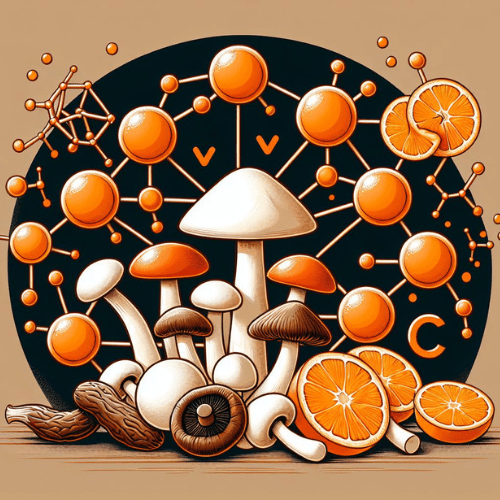

My Journey with Lion's Mane: Exploring Lions mane and the Gut-Brain Axis and Its Benefits
Lion's Mane Mushroom and the Gut-Brain Axis: A Path to Holistic Wellness
Lion's mane mushroom has taken the health world by storm, and for good reason. This unique fungus is not just a culinary delight; it has been the subject of growing research into brain and gut health. As we explore the fascinating connection between lion's mane and the gut-brain axis, you'll discover how researchers are exploring this mushroom in the context of mental clarity, emotional wellbeing, and overall wellness.
What Is the Gut-Brain Axis?
The gut-brain axis is a complex communication network linking the digestive system and the brain. This bidirectional connection influences mood, cognition, and overall health. Research suggests that gut health and mental performance may be closely linked.
Key Components of the Gut-Brain Axis
-
Gut Microbiota: The community of microorganisms in your gut plays a significant role in regulating mood and mental wellness. A balanced gut microbiome supports emotional stability and mental clarity.
-
Neurotransmitters: Chemicals like serotonin, produced in the gut, regulate mood and behaviour. A healthy gut environment nurtures optimal neurotransmitter production.
-
Vagus Nerve: This primary communication pathway transmits signals between the gut and brain, influencing stress responses and emotional regulation.
-
Body's Natural Defences: Gut health has a direct impact on inflammation and natural defence function, which in turn affect mental clarity and emotional resilience.
Lion's Mane and Its Role in the Gut-Brain Axis
Lion's mane mushroom has been investigated for its potential role in supporting the gut-brain axis, thanks to its unique bioactive compounds and functional properties. Let's explore how it can benefit your gut and mental wellness:
1. Supporting Gut Microbiota
Research has explored whether lion's mane may support the growth of beneficial gut bacteria, including Lactobacillus and Bifidobacterium, which are important for a balanced microbiome. This diversity has been associated with:
-
Potential improvements in digestion and nutrient absorption.
-
Production of short-chain fatty acids (SCFAs), which have been studied in the context of inflammatory markers.
-
A potential link between gut health and mental clarity, as explored in gut-brain axis research.
2. Enhancing Gut Integrity
The bioactive compounds in lion's mane have been investigated for their potential effects on intestinal barrier function. Researchers have explored how gut lining integrity may relate to overall wellbeing.
3. Stimulating Nerve Growth Factor (NGF)
Lion's mane contains hericenones and erinacines, compounds that have been studied for their relationship with NGF. NGF is involved in the growth, maintenance, and repair of neurons, and research has explored its role in:
-
Memory and learning processes.
-
The context of neurodegenerative conditions.
-
Cognitive flexibility and focus.
Benefits of Lion's Mane for Mental Wellness
Lion's mane mushroom has attracted interest for its potential role in cognitive wellness. Research has explored areas such as:
-
Enhanced Mental Clarity: Some users report improved focus; research is ongoing.
-
Neuroprotection: Researchers have investigated lion's mane in the context of neuroinflammation and age-related cognitive changes.
-
Stress Reduction: Its bioactive compounds have been the subject of preliminary research into mood and emotional balance.
Incorporating Lion's Mane Into Your Routine
Adding lion's mane to your daily life is simple and versatile. Here are some practical ways to enjoy its benefits:
-
Supplements: Capsules or powders are an easy way to ensure consistent intake.
-
Smoothies: Blend lion's mane powder into your favourite smoothie as part of your morning routine.
-
Soups and Teas: Add fresh or dried lion's mane to soups, broths, or teas for a flavorful, healthful boost.
For optimal results, combine lion's mane with other gut-friendly practices, such as consuming prebiotics, probiotics, and fibre-rich foods.
Research Highlights
Recent studies have shed light on the incredible potential of lion's mane mushroom:
-
Gut Microbiota: Research published in Scientific Reports has investigated whether lion's mane may influence the growth of beneficial bacteria, exploring the gut-brain connection.
-
Neuroprotection: A study in Mycobiology explored lion's mane in the context of NGF production, neurogenesis, and cognitive health.
-
Mental Health: Published trials have reported preliminary findings on mood and emotional balance among participants taking lion's mane supplements.
Conclusion
Lion's mane mushroom is the subject of growing research into the gut-brain axis, with studies exploring its potential role in cognitive and digestive wellness. From its prebiotic potential to its relationship with nerve growth factor, this mushroom is being explored as part of a holistic approach to wellness.
Ready to experience the benefits of lion's mane for yourself? Explore our premium selection of lion's mane products and take the first step towards supporting your daily wellness routine.
Frequently Asked Questions
What is lion's mane mushroom?
Lion's mane is a functional mushroom traditionally valued and increasingly studied for its potential role in brain and gut wellness. It's rich in bioactive compounds that promote mental clarity and gut integrity. Read more here
How does lion's mane benefit the gut-brain axis?
Lion's mane has been investigated for its potential effects on gut microbiota, intestinal barrier function, and nerve growth factor (NGF), with research exploring its role in gut and mental wellness.
Can lion's mane reduce stress?
Lion's mane has been the subject of preliminary research into stress responses and mood. Some users report a sense of calm, though individual results vary.
How do I use lion's mane?
You can take lion's mane as a supplement or add it to smoothies, soups, and teas for a versatile and easy way to enjoy its benefits.
Are there studies supporting lion's mane's benefits?
Yes, research highlights its potential role in mental wellness, mood balance, and gut health through microbiota research.
References:
https://pmc.ncbi.nlm.nih.gov/articles/PMC10813749/
https://health.clevelandclinic.org/lions-mane-mushrooms-benefits
https://pmc.ncbi.nlm.nih.gov/articles/PMC10675414/
https://naturemed.org/the-amazing-health-benefits-of-lions-mane-mushrooms/
https://andytherd.com/2023/08/09/the-brain-health-benefits-of-lions-mane-mushroom/
https://www.medicalnewstoday.com/articles/323400
Get the Dosage & Timing Cheat Sheet
Exact amounts and best timing for all six species, on one page. Free PDF, straight to your screen.
Something went wrong; please try again.
You'll also get our occasional research-based newsletter. Unsubscribe any time.
Done. Here's your cheat sheet.
We've also emailed you a copy so you can find it later.
Download the PDFMycogenius Lion's Mane Extract
Organic fruiting body extract. Beta-glucans ≥35%. Third-party tested, batch COA published.
★★★★★ 4.7 on Trustpilot
Shop Lion's Mane