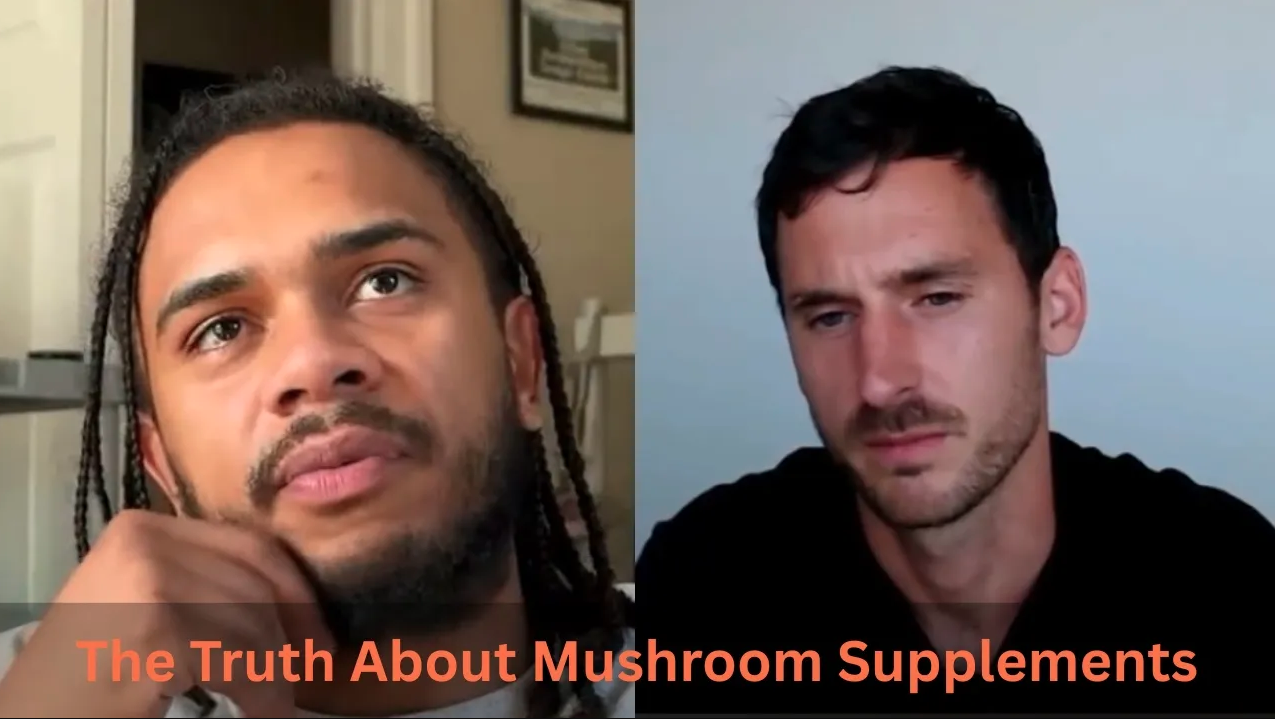
Mushrooms, Mycology & The Transparency Problem, William Padilla-Brown × Seth Colchester
When mycologist William Padilla-Brown, founder of Micro Symbiotics and creator of the Cordy Cup and Herishium Cup competitions, sat down with Mycogenius founder Seth Colchester, the conversation cut straight to the heart of what's broken in the functional mushroom industry: a lack of transparency, missing bioactives, and consumers left in the dark.
This article distils the key insights from that conversation, from government-funded lab testing that exposed widespread quality failures to the supply-chain challenges of sourcing genuine extracts from Asia.
How Mycogenius Started: From RTD to Quality Mushrooms
Seth's path into functional mushrooms began around 2019 through a functional kombucha company. After experiencing significant personal health benefits from mushroom supplements, he noticed huge quality differences between brands — and couldn't find a reliable way to quantify what he was actually getting.
"I was buying from different brands, getting different batches, and I couldn't really figure out a way of quantifying the quality of these extracts," Seth explains. "It seemed very vague, and it wasn't clear."
That frustration sent him down a multi-year research rabbit hole — one that eventually led to Mycogenius.
Government-Funded Testing: 72% of Products Had No Therapeutic Value
Through his holding company in Ireland, Seth secured government funding from Enterprise Ireland to conduct 18 months of laboratory research into functional mushroom supplements sold across Europe.
The team tested brands available in the European market alongside raw material from suppliers around the world — US, European, and Asian sources. The findings were stark:
"72% of what we tested didn't really test for any quality markers whatsoever or were suspiciously high. There were red flags all over them."
Nearly three-quarters of the products on the European market offered no measurable therapeutic value to consumers. Some showed suspicious spikes in certain compounds — a red flag for adulteration or mislabelling.
This research, which Seth admits "has been sitting on my hard drive," was the catalyst for the development of Mycogenius and its rigorous third-party testing protocol.
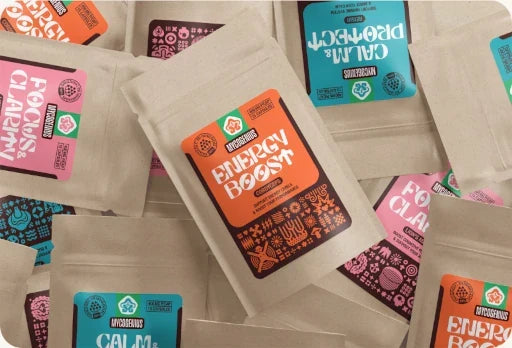
We make these extracts. Organic, species-specific markers verified, full COAs published.
Shop All Extracts →Winning the Cordy Cup: CS-4 Extract and the 2% Cordycepin Breakthrough
Mycogenius entered — and won — the extracts category at the Cordy Cup, a competition designed by Will Padilla-Brown to identify the highest-quality cordyceps products on the market.
The winning product was a CS-4 extract — a cordyceps mycelium grown via liquid fermentation in bioreactors in Asia. CS-4 extracts are typically low in cordycepin, but Mycogenius achieves consistently higher levels through an advanced post-extraction process:
"It's all with this macroporous resin absorption column they're using. We're getting consistently around 2% cordycepin now."
Will Padilla-Brown was intrigued: "We're getting like 1% right now. So I'm very interested." Even for a seasoned mycologist running the competition, 2% cordycepin from a CS-4 extract was noteworthy.
Explore the full product: Cordyceps CS-4 Powder | Cordyceps CS-4 Capsules
Novel Food Regulations: Why Europe Can't Sell Militaris or Mycelium
A major topic in the conversation was the regulatory landscape in Europe. Under EU Novel Food regulations:
- Cordyceps militaris — banned for sale as a food supplement
- Turkey tail — also falls under novel food restrictions
- All mycelium products — not permitted for sale
- CS-4 — exempt from novel food classification despite being a mycelium product, making it the primary legal cordyceps option in Europe
"For some funny reason, CS-4 doesn't fall under novel foods," Seth notes. "It's grown in liquid cultivation — bioreactors. And it originally comes from the sinensis strain."
The UK recently cracked down on brands still selling militaria, forcing a market-wide switch to CS-4. This regulatory pressure has made genuine quality CS-4 extracts more important than ever for European consumers.
The Supply Chain Problem: Fake Samples and Blacklisted Suppliers
One of the most revealing segments of the conversation covered the reality of sourcing mushroom extracts from China. Seth was blunt:
"The best and the worst comes out of China. I think most of what's being sold into Europe and North America is just mushroom powder — spray-dried or steam-treated — and they call that an extract. Then they say it's a 6:1 or 8:1 concentrate. They can say whatever they want because there's no real way of knowing until you start testing for species-specific quality markers."
The biggest issue? Sample fraud. Suppliers send high-quality samples to secure orders, then ship inferior products:
"I can't tell you how many samples I've got and then ordered from a supplier, got the batch, tested it, and it doesn't match up. I have a blacklist of Chinese suppliers who I'm convinced get samples from the people I work with."
Seth estimates there are only "a handful of real facilities" producing authentic, high-quality mushroom extracts — while hundreds of suppliers trade on their samples and ship steam-treated mushroom powder instead.
Building a trustworthy supply chain took five years. Every batch Mycogenius receives is independently tested in an ISO-accredited laboratory before it reaches consumers.
The Lion's Mane Problem: Missing Hericenones and Erinacines
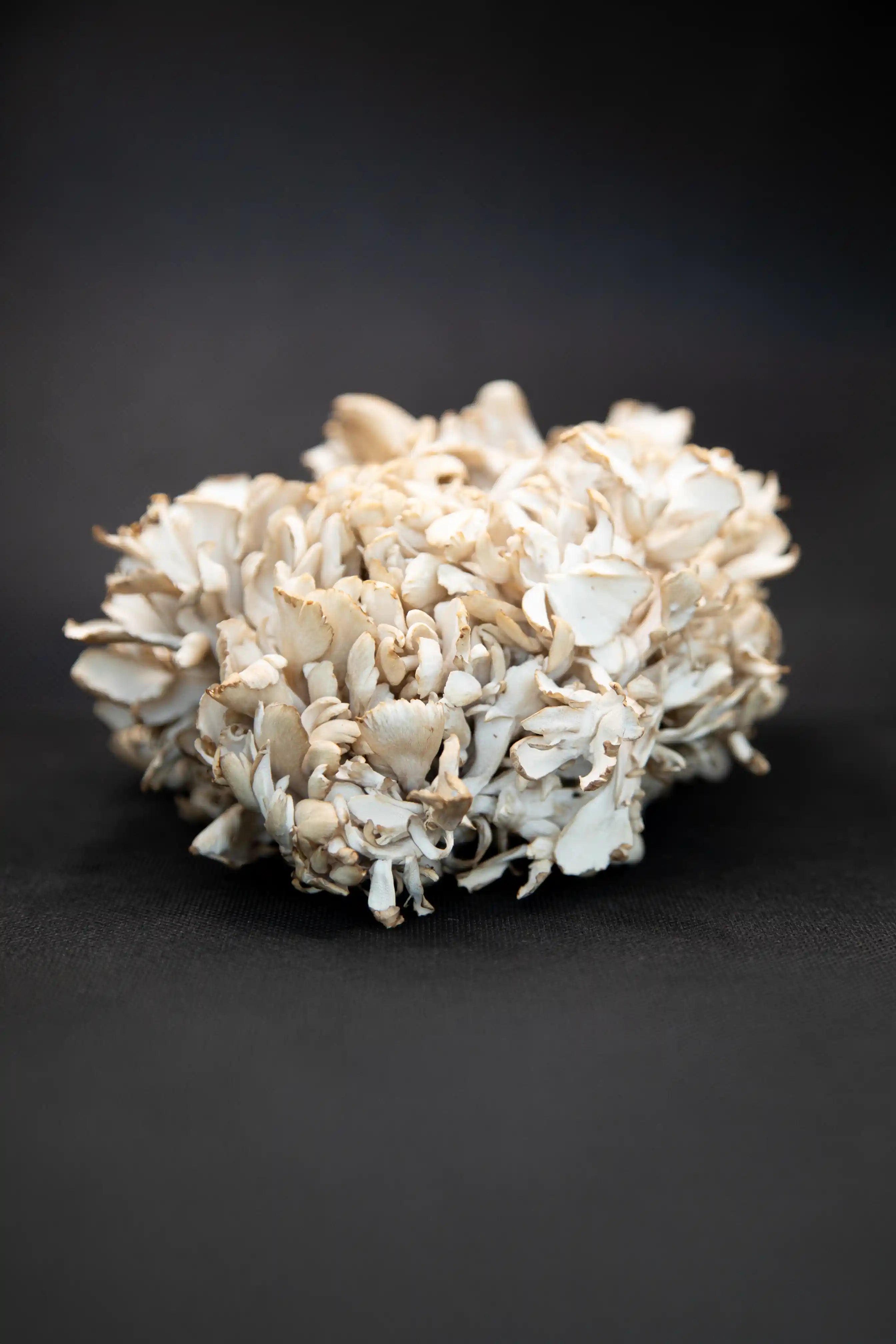
Will Padilla-Brown raised a critical issue that affects the entire lion's mane market: most products don't contain the bioactives they're marketed for.
"I started testing my lion's mane extractions and almost all of them don't have erinacines. Unless people are testing their starting material or they've bred lion's mane that they know is high potency... most people on the market are selling lion's mane products that don't have anything in it for what they're advertising it for."
Erinacines and hericenones — the compounds most associated with lion's mane's neurological benefits — are often below detectable limits in commercial products. Will noted that the only standardised lion's mane product in North America (Nootropics Depot's Erinamax) is produced via liquid bioreactors in Taiwan using mycelium metabolic exudates — not fruiting body.
Mycogenius is tackling this by researching very young fruiting bodies (harvested at just 10 days old) that exhibit higher hericenone content. It's a more expensive approach — the dry weight after harvesting is low —, but it's the path to a lion's mane that actually delivers on the label's promises.
Read more: Lion's Mane Extract Capsules | Lion's Mane Extract Powder
Why Big Companies Resist Bioactive Standardisation
Both Seth and Will agreed that there are active forces within the supplement industry working against the standardisation of bioactive compounds. Will described a consortium of larger mushroom companies that lobby to prevent testing standards based on species-specific bioactives:
"There are active players working against standardising off bioactives. They don't want to standardise off bioactives — and if you test their products, you know why."
The logic is simple: if the industry adopted bioactive-specific testing standards, many established brands would be exposed for selling products with little to no therapeutic value. Without mandatory standards, they can continue to market on brand recognition rather than on proven potency.
Both Seth and Will are pushing for change — Seth through third-party testing and transparency in Europe, and Will through public competitions like the Cordy Cup and the upcoming Herishium Cup, which hold products accountable to laboratory results.
Ergothioneine: The Longevity Vitamin from Golden Oyster Mushrooms
Seth shared details about a new product in development: a golden oyster mushroom extract standardised for ergothioneine — increasingly referred to as "the longevity vitamin" in research circles.
"There's quite a lot of research coming out about how it's very beneficial for ageing, cell reproduction, mitochondrial health," Seth explains. "Most functional mushrooms contain some, especially lion's mane, but golden oyster contains much more."
With longevity research gaining momentum in Europe, ergothioneine-rich extracts represent a promising direction for evidence-based supplementation.
European vs US Market: Different Challenges, Same Quality Problem
The conversation highlighted how both markets face quality issues, just from different angles:
- In Europe, Novel food regulations restrict what can be sold, but enforcement is inconsistent. Brands lean heavily on "fruiting body only" marketing, which has inadvertently turned European consumers against all mycelium products — even beneficial ones like CS-4.
- In the US, the 1994 Dietary Supplement Health and Education Act created loopholes that allow virtually anyone to produce and sell supplements with minimal oversight. "Anybody can get their hands on some mushrooms, throw them in some alcohol, call it a tincture, and take it to market," Will notes.
Both agreed the solution is the same: transparent, species-specific bioactive testing that consumers can verify. Competitions like the Cordy Cup and initiatives like Mycogenius's batch-tested COAs are small steps toward an industry standard that doesn't yet exist.
Tinctures vs Extracts: The Bioavailability Question
Will, who produces concentrated tinctures through Micro Symbiotics, discussed the bioavailability question that divides the mushroom supplement world. He's begun testing his finished tinctures — not just the concentrates going into them — and finding that potency translates well from resin to liquid form.
A doctor working with cancer patients shared an interesting clinical observation with Seth: tinctures outperformed capsules and powders in chemo patients, likely because compromised digestion made oral absorption difficult. At the same time, sublingual delivery (under the tongue) bypassed that bottleneck.
Seth acknowledged the value of tinctures but wants to understand them better before adding them to the Mycogenius range — consistent with the brand's approach of only selling what can be verified through testing.
What This Means for Consumers
The bottom line from this conversation is uncomfortable but important:
- Most mushroom supplements don't contain meaningful levels of the bioactives they're marketed for. Independent testing consistently shows this across both European and US markets.
- Extract ratios (6:1, 8:1, 10:1) are meaningless without verification of bioactivity. Any supplier can claim any ratio. Only species-specific testing (cordycepin for cordyceps, hericenones for lion's mane, ganoderic acids for Reishi, betulinic acid for chaga) tells you what's actually in the product.
- Third-party COAs from ISO-accredited labs are the gold standard. Batch-specific certificates of analysis, testing for the right compounds, from accredited laboratories — that's what separates tested products from marketing.
- The industry has no mandatory standards. Until that changes, the responsibility falls on brands to test voluntarily and on consumers to demand proof.
Every Mycogenius product ships with a batch-specific COA testing for species-specific bioactives. View our guide to reading a mushroom COA to understand exactly what to look for.
Ready to try our extracts?
Organic mushroom extracts. Species-specific quality markers verified. ISO 17025 third-party tested.
Shop All ExtractsFrequently Asked Questions
Who is William Padilla-Brown?
William Padilla-Brown is a mycologist, citizen scientist, and founder of MycoSymbiotics and the Cordyceps Cup. He is known for his work in mycology education, cordyceps cultivation, and advocating for transparency and quality standards in the mushroom supplement industry.
What is the transparency problem in mushroom supplements?
Many mushroom supplements on the market use steam-treated powder or mycelium grown on grain rather than genuine fruiting body extracts. Standard beta-glucan testing cannot distinguish between real fungal beta-glucans and fillers like polydextrose, meaning products can appear to meet label claims while containing very little active mushroom material.
What is the Cordyceps Cup?
The Cordyceps Cup is an annual competition founded by William Padilla-Brown that challenges growers to produce the highest-quality Cordyceps militaris. It has helped raise cultivation standards and brought attention to the importance of growing conditions, genetics, and transparent quality testing in the cordyceps space.
What is the difference between a mushroom tincture and an extract?
A tincture is made by soaking raw mushroom material in alcohol or water, which pulls out some compounds but leaves much of the cellular material intact. An extract involves a more intensive process — typically hot water extraction, ethanol extraction, or both — that breaks down the chitin cell walls and concentrates the target compounds into a standardised form.
What is ergothioneine?
Ergothioneine is a naturally occurring amino acid found in certain mushrooms, particularly in species like Cordyceps and Lion's Mane. It acts as a cellular antioxidant and has attracted research interest for its stability and bioavailability. Mushrooms are one of the richest dietary sources of ergothioneine.
Get the Dosage & Timing Cheat Sheet
Exact amounts and best timing for all six species, on one page. Free PDF, straight to your screen.
Something went wrong; please try again.
You'll also get our occasional research-based newsletter. Unsubscribe any time.
Done. Here's your cheat sheet.
We've also emailed you a copy so you can find it later.
Download the PDFMycogenius Lion's Mane Extract
Organic fruiting body extract. Beta-glucans ≥35%. Third-party tested, batch COA published.
★★★★★ 4.7 on Trustpilot
Shop Lion's Mane